The Cost to Convert Your Pool to an Infinity Pool in 2026
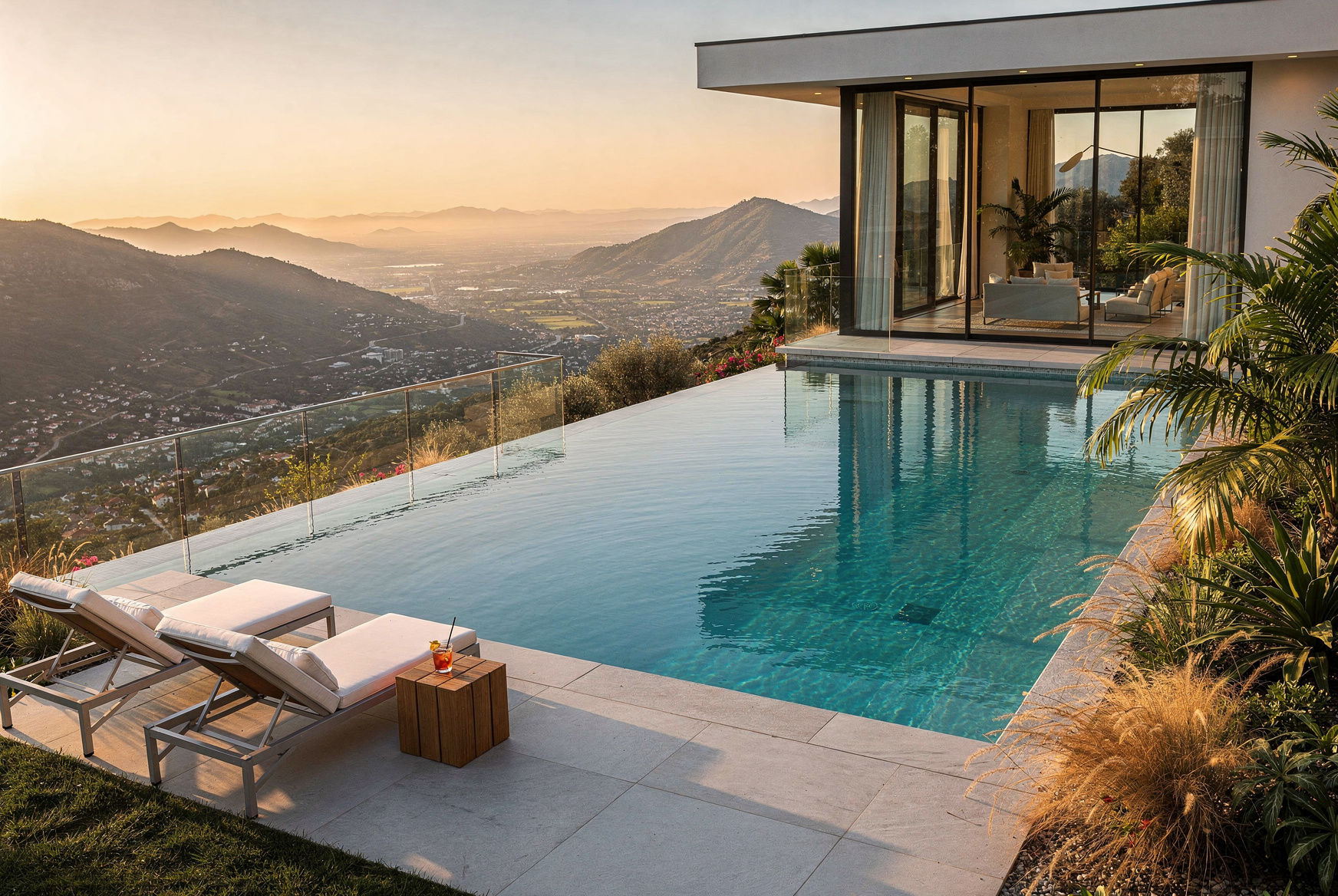
Changing a regular pool into a true infinity pool in 2026 means a big remodel. It’s not a simple project or a cheap upgrade. Most people spend between $80,000 and $250,000+. Some conversions or full rebuilds can jump over $350,000, especially with hills or custom finishes.
This isn’t a fit for every pool. Sometimes starting fresh makes more sense. You'll find out what makes up the cost, why the price climbs, what surprises owners, and smart ways to recoup some of your investment.
What Makes an Infinity Pool Conversion So Pricey?
An infinity pool lets water spill over a hidden edge and into a catch basin. The flow looks seamless, but the setup’s complicated.
The remodel affects almost everything: pool structure, plumbing, waterproofing, decking, and landscaping. The pool shell needs to be sturdy and in the right spot. If the yard's sloped or has a view, the visual effect is top notch, but it also means more digging, walls, and engineering.
Average 2026 Infinity Pool Conversion Cost
Typical project prices in 2026 look like this:
- Partial infinity-style remodel: $50,000 to $90,000
- True infinity pool conversion: $80,000 to $180,000
- Complex or high-end conversion: $180,000 to $250,000+
- Full rebuild with infinity edge: $150,000 to $350,000+
Excavation, walls, and major repairs push up costs fast. In 2026, labor, permits, and equipment keep rising. Inground pool prices climbed 20 to 35% since 2020.
2026 Cost Breakdown for Infinity Pool Conversions
Every quote’s different, but here’s where money usually goes:
- Design and plans: $3,000 to $15,000
- Structural engineering: $2,500 to $12,000
- Permits and inspections: $1,000 to $7,500
- Demolition and prep: $5,000 to $25,000
- Excavation and grading: $10,000 to $60,000+
- Infinity edge wall: $20,000 to $90,000
- Catch basin or surge tank: $15,000 to $50,000
- Plumbing and hydraulics: $8,000 to $35,000
- Pumps and controls: $7,500 to $30,000
- Waterproofing and finishes: $10,000 to $60,000
- Decking, coping, landscaping: $10,000 to $75,000+
Design, Engineering, and Permits
The weir wall and catch basin count as retaining structures. A professional needs to design and engineer them. Many areas require extra reviews for setbacks, drainage, and fencing.
- Basic design: $3,000 to $8,000
- Full design plus engineering: $8,000 to $25,000+
Cutting corners with design usually means costly fixes later. Invest up front to avoid headaches.
Building the Infinity Edge
Normal pool walls aren’t built to be vanishing edges. Most projects require some cutting, rebuilding, reinforcing, waterproofing, or totally new edge walls. Longer vanishing edges mean higher bills.
- Moderate rebuild: $20,000 to $50,000
- Complex edge: $50,000 to $90,000+
Even tiny shifts in structure can ruin water flow. Experts warn that structural mistakes lead to six-figure repairs, not surface fixes.
Catch Basin, Pumps, and Plumbing
The catch basin sits under the overflow and recycles the water to the pool. It’s like adding a second pool under the first one.
- Catch basin: $15,000 to $50,000
- Plumbing upgrades: $8,000 to $25,000
- Pumps and controls: $7,500 to $30,000
Poor hydraulic design causes noise, water waste, and uneven flow. Always go with solid plans here.
Finishes, Tile, Coping, Decking
Most owners get the pool refinished during a conversion. This usually means new plaster, tile, coping, and deck repairs.
- Pool resurfacing: $8,000 to $25,000
- Tile and coping: $5,000 to $30,000
- Decking repairs: $10,000 to $50,000+
High-end materials like glass tile or natural stone raise costs fast. Decide early on the STYLE.
What Changes the Final Price?
Pools that look alike can have very different conversion stories. The biggest cost drivers are:
- Pool condition: Older or cracked pools need more work
- Yard slope: Hills need retaining walls and drainage
- Soil type: Rocky yards can mean blasting. Add $5,000 to $20,000.
- Access: Tight spaces need small equipment and more time
- Infinity edge length: Longer means pricier engineering and bigger catch basins
- Local labor rates: Big-city rates run higher
- Finish materials: Glass tile costs way more than plaster
- Equipment placement: Tight pump spots add to costs
- Drainage needs: Wet or flat yards need more site work
Pool Structure and Shape
Concrete pools are good candidates. Vinyl or fiberglass are usually poor options. Old concrete may still need extra reinforcement. Pools with leaks or bad plumbing might be best rebuilt.
Yard Slope and View
Infinity edges wow when the yard drops off to a view. Slopes call for walls, soil work, and safety fixes. Flat yards can work, but it takes grading to get that “vanishing” look.
Location and Labor
Where you live sets your budget. Places like LA, New York, Dallas, and Toronto have higher labor and permit fees. In LA, a vanishing-edge pool can hit $400,000 to $750,000+ with hillside work. Busy seasons mean longer waits and bigger bills.
Hidden and Surprise Costs
These costs don’t always show up on the first proposal. They often do on the final bill:
- Soil testing before digging
- Drainage improvements if the yard doesn’t drain well
- Retaining walls on property slopes
- Utility rerouting for gas, power, or irrigation lines
- Fence or gate upgrades for code compliance
- Landscaping replacement after construction
- Outdoor lighting to showcase the pool
- Pool automation for handling extra filtration
- Temporary repairs once crews leave
- Higher utility bills for extra pumps and circulation
Add a 10% to 20% cushion to whatever estimate you get. Better safe than sorry.
Monthly and Yearly Ongoing Costs
Infinity pools go through more power and water than traditional pools. Expect these regular outlays:
- Extra electric: $50 to $200+ per month
- Water and chemicals: $20 to $100+ per month
- Pool care and service: $150 to $500+ monthly depending on pool size and area
- Equipment upkeep: Hundreds to thousands per year
Variable-speed pumps and smart controls help keep bills in check. It’s smart to budget for them up front.
Can Every Pool Become an Infinity Pool?
Not every pool works for conversion. Some setups are green flags. Others are red lights.
Good signs:
- Sturdy concrete pool
- Space to build a catch basin
- Decent slope or a great view
- Clear access for construction gear
Red flags:
- Major cracks or sinking
- No room for a catch basin
- Poor drainage
- No space for pumps or gear
- Vinyl or fiberglass pool shell
Pool builders or structural engineers can help decide if conversion or rebuilding is better for your yard.
Convert or Build New: What’s Better?
Conversions aren’t always the cheaper path. Here’s how the two options compare:
- Conversion pros: Possible to use some of the original pool. Can skip some demolition. Might finish quicker with good conditions.
- Conversion cons: Limited by structure, more surprise repairs, and restricted designs.
- New build pros: Custom design, better long-term planning, and free placement of plumbing or basin.
- New build cons: More costly up front, major yard disruption, and longer construction times.
If the current pool needs a lot of structural work, the price gap between conversion and new build disappears fast.
Get the Infinity Pool Look Without the Full Price
Want the vibe without the full overhaul? Try these wallet-friendly alternatives:
- Raised water wall or spillover: $10,000 to $35,000
- Infinity-style spa upgrade: $25,000 to $70,000
- New tile, coping, or resurfacing: $15,000 to $60,000
- Glass tile accent wall: $8,000 to $30,000
- Fresh landscaping and lighting: $5,000 to $40,000
These changes still make the backyard feel special and ready for guests—without the complexity of a real infinity edge.
How to Budget for an Infinity Pool Conversion in 2026
Here’s a straightforward plan before hiring anyone:
- Decide if the goal is a true infinity edge or the look
- Get a detailed pool inspection first
- Ask for design and engineering input in advance
- Compare conversion and rebuild prices side by side
- Set aside money for permits and site work
- Add a 10% to 20% buffer for surprises
- Plan for higher monthly utility costs
Ask contractors to break down must-have charges from nice-to-haves. That makes the scope easier to trim or expand.
Key Questions Before Signing a Contract
- Has the contractor done conversions before?
- Is structural engineering included?
- Where will the catch basin go?
- What if the pool shell needs more repairs?
- Are all permits included in the price?
- How is drainage managed?
- What isn’t in the contract?
- What regular maintenance comes after conversion?
Is an Infinity Pool Upgrade Worth It?
For the right yard and owner, it pays off in lifestyle and property value. If you love outdoor time, have a killer view, and want the wow factor, it’s a strong investment.
- It’s worth it: for solid pools and yards with good views
- Think twice: if costs almost match a total rebuild
- Try budget upgrades: if you mainly want a better look, not a real edge
Let the Dream Pool Start Paying You Back
Infinity pool conversion costs depend on structure, site work, edge length, basin, gear, finishes, and care. The price jumps between simple remodels and luxury rebuilds. Compare all three routes: conversion, rebuild, and affordable upgrades.
Once the pool's ready, let it work for you. Owners all over are listing pools by the hour on Swimply and making real money. Hosts like Sasha P. use that cash flow for home upgrades. Some hosts top $200,000 earned.
Swimply handles bookings, payments, and gives hosts up to $1 million in protection and $10,000 for property damage each time. People book for family swims, parties, pets, lessons, or solo relaxing.
Listing your pool is free and hosts keep 70 to 80% per booking. If you’re investing in your pool, let it help pay you back.