The 2026 Nashville Pool Owner's Guide: Care, Costs, & Rules
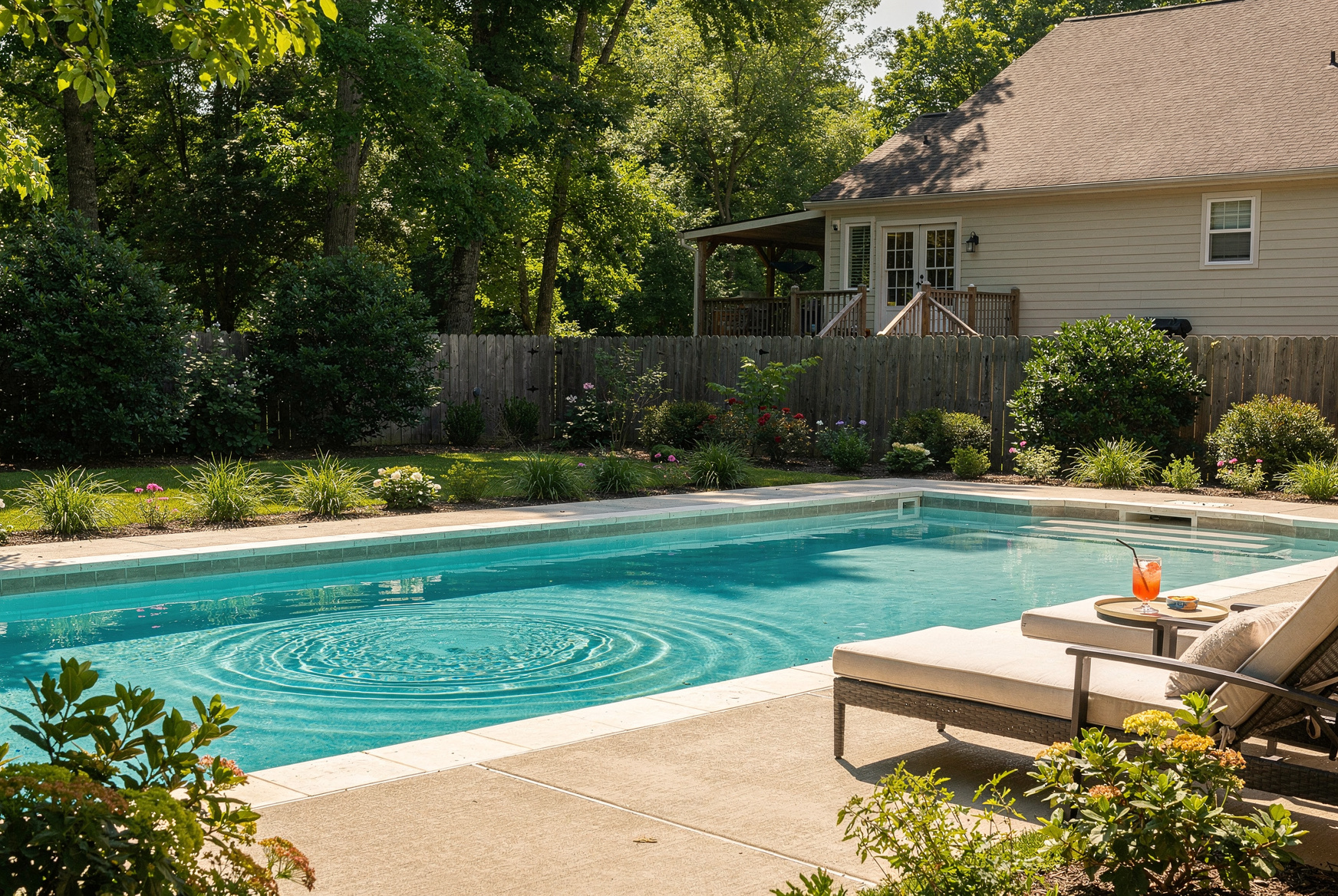
Nashville pool ownership is unique and rewarding, but it comes with a set of challenges you won't find in other cities. Knowing how to handle local weather, pool laws, costs, and guest hosting means smooth swimming all season.
This Nashville pool owner's guide gives you detailed, friendly advice on chemicals, seasonal care, maintenance, equipment tips, common problems, and how to make extra money from your pool. Skip the headaches with these must-know tips.
The Nashville Pool Owner Basics: What Makes This City Different
Owning a pool here isn't like owning a pool in Phoenix or Miami. Nashville's weather and local rules make a big difference in pool upkeep.
The city's pollen, pop-up storms, humidity, rare hard freezes, and special codes all shape how you care for your pool. Ignore these, and you'll have cloudy or green water fast.
Nashville Weather and Your Pool
Hot, humid summers mean chlorine burns off fast, and algae can show up quickly. Heavy spring rains dilute chemicals and pH levels. Thunderstorms drop debris in skimmers and filters.
Fall dumps loads of leaves, while sudden cold snaps in winter can crack pipes more than steady cold. Pools here need flex to handle it all.
Common Pool Types Around Nashville
Nashville pools are mostly in-ground. Gunite, fiberglass, and vinyl liner are the most popular surfaces. Each type needs different chemical handling and attention.
- Fiberglass pools handle temperature swings. The material flexes, so it won't easily crack.
- Gunite pools last long, but the surface needs constant chemical monitoring to avoid stains and damage.
- Vinyl liner pools save on costs but need gentle chemistry to protect the liner.
- Saltwater pools are gaining ground in Nashville. They need regular testing and can't be ignored just because they're "low-maintenance."
Pool Chemicals Every Nashville Owner Should Understand
Getting chemistry right is the single best way to have clear, safe water. Mess up the basics, and you'll end up with green water, cloudy water, or itchy skin.
Ideal Chemical Ranges to Watch
Keep these levels in check for safety and clarity. Test at least once a week, and more when storms or heat waves hit.
- Chlorine: 1.0 to 3.0 ppm for residential pools
- pH: 7.2 to 7.6 is best. Go over 7.8, and your chlorine won't work well.
- Total Alkalinity: 60 to 120 ppm. Keeps pH steady.
- Cyanuric Acid (CYA/Stabilizer): 30 to 50 ppm. Too high, and chlorine stops working right.
- Calcium Hardness: Varies based on your pool's surface. Ask your pool pro for details.
Follow product instructions and call a Nashville pool pro if your water doesn't clear up fast.
How Nashville Heat and Rain Affect Chemicals
Hot, sunny days burn off chlorine. After storms or pool parties, test the water. Rain dilutes everything and drops the pH.
- Pollen season needs even more tests to avoid algae blooms.
- Chemistry changes can sneak up, so it's easier to fix a small imbalance fast.
Saltwater Pool Care in Nashville
Saltwater pools generate chlorine, but regular tests are still needed.
- Monitor chlorine output, pH, alkalinity, CYA, and salt levels.
- Increase the cell's output on hot days or after big crowds.
- Clean the salt cell regularly since calcium from city water can build up.
Seasonal Pool Care in Nashville
The typical swim season runs from late spring to early fall. The right heater or chiller can keep your pool open longer.
Spring Opening: March to May
- Remove and clean the cover.
- Clear any debris around and in the pool.
- Refill to proper level, restart your equipment, and test all water factors.
- Shock the water if you need a reset.
- Brace for heavy pollen and clean out filter clogs quickly.
Summer Peak: June to August
- Test water chemistry more often.
- Run the pump long enough for a full water turnover.
- Brush spots that tend to get algae.
- Shock after every party or heavy use.
- Check chemical levels after storms.
- Keep water level steady, especially in dry spells.
Fall Leaf Season: September to November
- Leaves stain fast, so skim and empty baskets often.
- Use a leaf net during peak leaf drop.
- Decide when to close based on water temperature and swimming habits.
Winter Protection: December Through February
- If closing, winterize all pool lines, add winter chemicals, and cover well.
- Never fully drain a gunite pool, because pressure from the water table can lift it right out.
- Leave your pool full, or keep water moving with freeze protection systems for open pools.
- Moving water is much tougher to freeze than still water.
Local Nashville Pool Laws, Permits, and Rules to Know
Nashville has strict pool rules. Always check the latest Metro Nashville and Davidson County requirements before building, closing, draining, or hosting guests.
HOAs and property location can add special requirements on top of city codes.
Permits for Building or Renovating a Pool
- You need a residential pool permit for all in-ground and most above-ground pools.
- Major projects, electrical, fencing, plumbing, and decks often require separate permits or inspections.
- Only licensed contractors can build pools in Tennessee.
Fence, Gate, and Barrier Requirements
- Every pool must have a barrier at least 48 inches high.
- Use self-closing, self-latching gates with latches at least 54 inches off the ground.
- Gates must swing outward from the pool.
- The biggest fence gap allowed is four inches, no easy foot or handholds.
- If your house acts as a barrier, doors to the pool need alarms or self-closing hardware.
- Pools built after 2011 also need pool alarms.
Electrical and Equipment Safety Rules
- Nashville enforces the 2018 IRC and International Swimming Pool and Spa Code.
- GFCI protection is required for outlets. Bonding and grounding are a must.
- There are specific clearance rules for overhead wiring.
- Hire licensed electricians for work near pools and always arrange for required inspections.
Draining, Backwashing, and Stormwater Rules
- It's illegal to drain chlorinated pool water or backwash into storm drains or creeks.
- Send it to a sanitary sewer cleanout or internal drain.
- If that's not possible, only drain slowly onto your own grass after de-chlorination. Don't allow runoff into neighbors' yards.
- Saltwater can harm plants and soil, so check city guidance first.
HOA and Neighborhood Rules
- HOAs might have rules about fencing style, noise hours, lighting, parking, and rentals.
- Private rules can be just as strict as city codes, so always review before changes or hosting.
Common Nashville Pool Problems and How to Handle Them
Pollen in the Pool
- Spring pollen creates a yellow-green layer on the water and clogs filters quickly.
- Skim often, brush the walls, and clean the filter regularly.
- Test sanitizer levels since pollen eats up chlorine fast.
Algae After Heat Waves or Storms
- Warm water, low chlorine, and poor circulation cause algae blooms.
- Brush shady spots and steps every week.
- Balance chemicals, shock the pool as needed, and run the filter long enough to turn over all the water.
Cloudy Water
- Low sanitizer, high pH, bad filtration, or heavy use make water cloudy.
- Test water before adding anything new. Random chemicals usually make things worse.
Leaf Stains and Organic Debris
- Leaves left on surfaces will stain fast.
- Remove leaves as soon as possible and brush any stains before they set.
- Use a cover or a leaf net during big fall leaf drops.
Leaks and Water Loss
- Evaporation speeds up in Nashville's heat, but fast water loss could mean a leak.
- Try a simple bucket test to spot a leak.
- Check for wet spots near equipment. Call a professional if water keeps dropping.
Budgeting for Pool Ownership in Nashville
A custom in-ground pool in 2026 costs $85,000 to $175,000 in Nashville. Most start at $100,000 including labor, materials, and permits. Annual upkeep is $3,200 to $4,500 for pros, water, and electricity.
Unplanned repairs can add extra costs, so plan for an emergency fund.
DIY vs. Hiring a Pool Service
- DIY pool care saves on costs but takes regular commitment.
- A service company handles cleaning, seasonal openings, closings, and big repairs.
- Many owners clean weekly by themselves and hire a pro for seasonal or equipment work.
Ways to Lower Pool Costs
- Balanced chemicals prevent expensive fixes.
- Clean filters on schedule and use covers to cut down energy and evaporation costs.
- Fix leaks right away. Prevent algae because it's cheaper to control than kill off later.
- Smart automation costs $3,800 up front but can save around $600 a year in energy and chemicals.
Mistakes Nashville Pool Owners Should Avoid
Adding Chemicals Without Testing First
- Never guess with chemicals. Test first to avoid wasting time and money.
- Wrong amounts or wrong chemicals damage water and pool surfaces. Always check with a kit before adding anything.
Waiting Too Long to Clean After Storms
- Clear out storm debris as soon as it's safe.
- Leaves and dirt quickly upset chemistry, clog baskets, and can stain surfaces.
- Clean up quickly to avoid a green pool a few days later.
Hosting Guests at Your Private Pool in Nashville
Private pools sit empty much of the week, even in summer. Letting guests rent the pool by the hour through Swimply turns idle hours into income and offsets maintenance costs.
Why Nashville Is a Great City for Private Pool Hosting
- Hot summers keep pool demand high.
- Nashville hosts over 13,000 bachelorette parties a year; it's a top destination.
- Families, tourists, and pet owners all look for private pool days outside hotels.
- In the suburbs, pool rentals run $65 to $150 an hour. Peak runs from late May through early September.
Why Swimply Is Great for Pool Owners
- Set your own hourly rate and guest limits.
- Decide availability, house rules, and which amenities to offer.
- Only private pool owners can list. No commercial pools allowed.
- Listing is free. Swimply only takes commission after a booking.
- Hosts keep 80% to 85% of the booking after fees.
- There's up to $1 million in liability and $10,000 in property damage protection.
Your Nashville Pool Can Work Harder for You
Nashville pools need special care for weather, chemistry, seasons, and city rules. Stay on top of regular maintenance, and the pool becomes a beautiful, stress-free asset for family, friends, or extra income.
If your pool's sitting empty, list it with Swimply. It puts extra cash in your pocket while you stay in full control of your schedule and space.