The 2026 Chicago Pool Owner's Guide: Care, Costs, & Rules
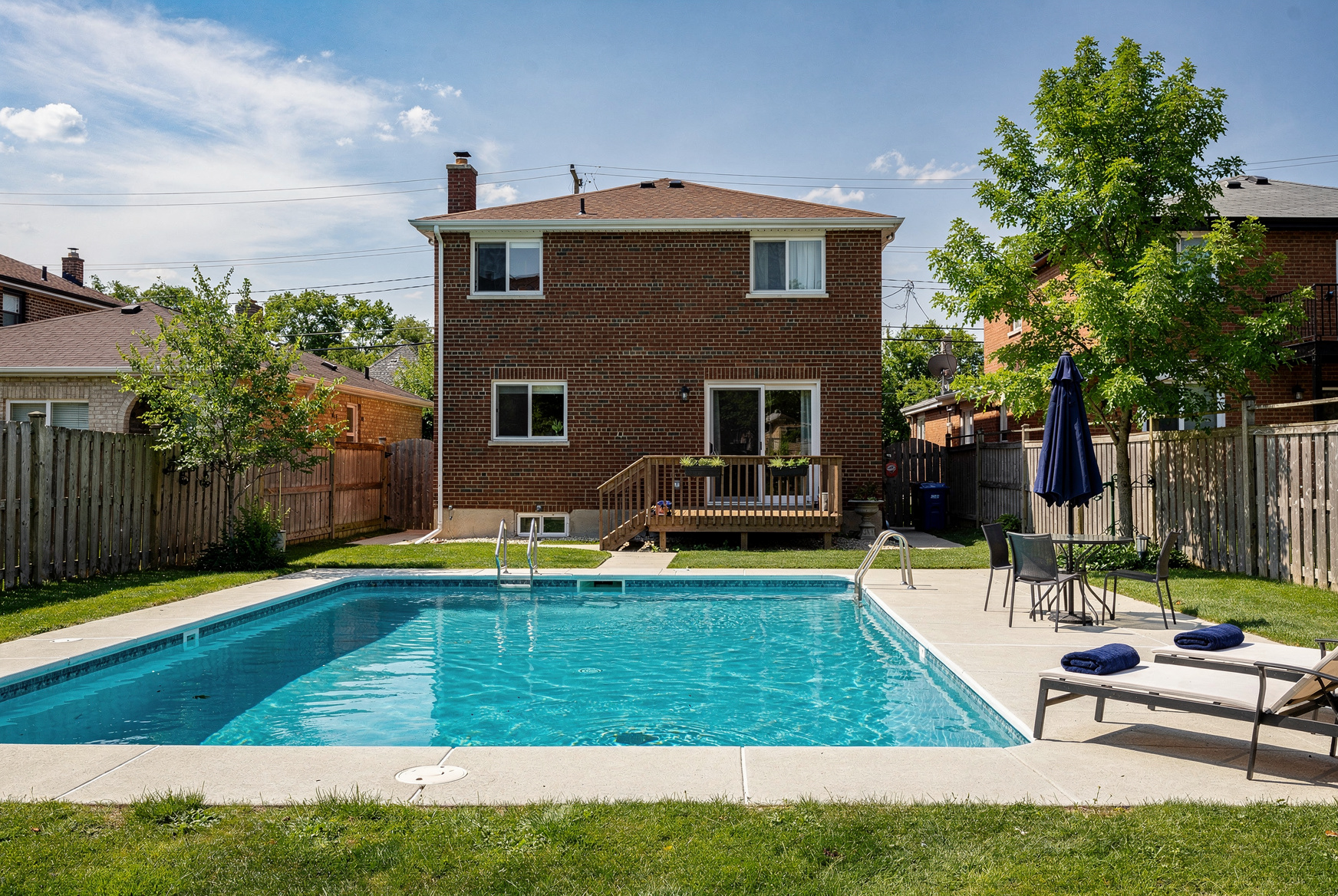
Chicago's pools give you a short but amazing swim season. If you want to enjoy every minute, you need to know how to handle the fast-changing weather, tough winters, and city rules. This guide covers detailed steps, timing, and must-know info to keep your Chicago pool in top shape all year.
Chicago Pool Owner Basics: What Makes This City Different
Chicago's swim season lasts from late May through early September. That's only about 14 to 16 weeks. In warmer cities, pools run year-round. Here, you need to plan and act fast to make every week count.
Winter is the main challenge. Chicago gets below 32°F from November to March. Freeze-thaw cycles stress your pool's surfaces, pipes, and equipment. Any water left in pipes freezes and expands. Above-ground pumps and pipes can freeze solid in under an hour when temps drop.
City factors make things trickier. Small city lots put neighbors close. Cottonwood and pollen hit every spring. Chicago storms dump debris and shift water chemistry overnight. All this means you need to stay on top of maintenance, especially as the seasons change.
Your Chicago Pool Care Calendar
Pool care runs in four phases:
- Spring opening
- Summer maintenance
- Fall closing
- Winter monitoring
Properly timing each phase protects your investment, your water quality, and your pool equipment.
Spring Opening: Late April Through May
Open the pool when water temperatures stay above 65°F. For most, that's late April or early May. Remove and clean the winter cover. Inspect every part: shell, liner, coping, tile, deck, pump, filter, heater, and plumbing. Hook up equipment and start water circulation before messing with pool chemicals.
- Test your water first
- Brush, vacuum, and skim
- Shock the water if it looks cloudy
- Let nobody swim until the water is clear and balanced
Starting clean and balanced makes your whole season easier.
Summer Maintenance: June Through August
During peak swimming, check water chemistry a few times a week. Do it right after storms or heavy use too. Skim leaves, bugs, and debris often, because cottonwood and pollen arrive with Chicago’s summer.
- Brush walls and steps weekly to stop algae
- Empty pump and skimmer baskets
- Check filter pressure and clean as needed
- Shock after storms or if water goes cloudy
- Monitor heater, pump, and timer settings
Little fixes early save big headaches later.
Fall Closing: September Through October
Most close their pool by end of September or early October to avoid the first hard freeze. Chicago owners can’t afford a bad closing because frozen pipes and equipment break fast.
- Balance the water before closing
- Lower the water level (6-8 inches below skimmer for mesh cover, 2-4 for solid cover)
- Blow out and plug plumbing lines
- Add winterizing chemicals
- Install a tight winter cover
- Put away ladders, toys, and fragile patio furniture
This routine saves a fortune on spring repairs.
Winter Checkups: November Through March
Even closed, pools need love. Heavy snow, ice, and wind stress covers. After storms, check for sagging, pooling, or damage from animals.
- Remove debris when it’s safe
- Don’t break ice on the cover or surface
- Schedule repairs early to beat the spring rush
Staying on top of things all winter makes spring easier.
Pool Chemicals Chicago Owners Should Know
Balanced water keeps swimmers safe, protects pools, and makes swimming more fun. Chicago water comes from Lake Michigan, which means hardness and other factors can shift. Always test your tap water before adjusting chemistry.
Chlorine or Sanitizer
Chlorine keeps pool water clean. Target 1 to 3 ppm for most pools. Sun, heat, rain, and heavy use burn through it fast. Saltwater pools still use chlorine, just made by a salt cell.
pH
Target pH between 7.2 and 7.8. Low pH stings eyes and corrode gear. High pH clouds water and causes scaling. Chicago rain can change pH quickly, especially after storms.
Total Alkalinity
Keep alkalinity between 80 and 120 ppm. It steadies pH. Low means wild swings. High makes pH tough to change. Always adjust slowly and retest each time.
Calcium Hardness
Target calcium 200 to 400 ppm, depending on your pool. Low causes damage over time, high makes ugly scale. Chicago water sits around 130 to 150 mg/L, so don’t assume it’s right, always test and adjust as needed.
Cyanuric Acid
Cyanuric acid protects chlorine outside. Too little, and chlorine burns off fast. Too much, and chlorine doesn’t work as well. Follow the label and go easy on stabilized chlorine tablets.
Shock Treatments
Shock after storms, parties, algae, or hazy water. Chicago’s summer storms make shock a regular part of pool life. Always read the label, and wait for sanitizer to return to safe levels before anyone swims.
Chicago Pool Laws, Permits, and Rules to Check
Always double-check the latest rules before building or changing anything. Start with the City of Chicago Department of Buildings, add Cook County and HOA or condo rules if they apply. Pool type, location, and age can all change the details.
Building Permits and Pool Installation
- Permits required for new pools, big above-ground pools, electrical work, decks, fences, or big renovations
- Check setbacks and easements before you build
- Use licensed contractors where the city demands it
- Don’t skip permits, or you’ll have selling or insurance trouble later
Fence, Barrier, and Gate Requirements
- Chicago demands a fence or wall at least 5 feet tall
- Must completely enclose the pool deck
- Gates need to be self-closing and self-latching
- Audible door alarm required when the gate opens
- Non-compliance can cost $500 to $1,000 daily
Inspect your fence before opening every season to avoid fines or accidents.
Electrical, Lighting, and Equipment Rules
- Pumps, heaters, lights, outlets, and automation need to meet NEC Article 680 electrical code
- GFCI outlets are required near the pool
- Bond all metallic components properly
- Use licensed electricians for all pool electrical work
- Skip extension cords and temporary setups near water
Water Draining and Backwashing
- Drain pool water to the sewer, not storm drains
- Flow must not exceed 250 gallons per minute
- Don’t drain during rainstorms
- Dechlorinate treated water before release
- Keep drainage away from neighbors, alleys, and sidewalks
Noise, Parking, and Neighbor Rules
- Chicago’s noise ordinance says no loud sounds 10 PM to 8 AM within 600 feet of homes (see rules)
- Pool noise travels farther here since houses are close
- Set clear rules for parking and guest conduct to avoid issues
Start every season with clear house rules and neighbor communication for a peaceful summer.
Common Chicago Pool Problems and How to Handle Them
Chicago pool challenges come from the weather, tight spaces, and a sprint-like season. Here’s how to tackle the most frequent headaches fast.
Algae After Heat Waves or Storms
- Algae loves warm, unbalanced water
- Brush the whole pool
- Test and balance chemistry
- Clean filter and shock water
- Keep up regular chlorine and brushing to stop algae from coming back
Cloudy Water
- Can signal low sanitizer, high pH, poor filtration, or heavy use
- First, check sanitizer and pH
- Run pump longer, clean the filter
- Add chemicals carefully, one at a time, to avoid confusion
Freeze Damage
- Frozen water cracks pipes and breaks pumps fast
- Freeze-thaw makes tiny cracks bigger every winter
- If you’re not sure, call a pro for plumbing blowouts before winter
Cracked Concrete, Coping, and Decking
- Ice and shifting soil split decks and coping
- Seal cracks early
- Fix loose or tripping hazards before swim season starts
- Avoid rock salt or harsh ice-melters near the pool
Leaf, Pollen, and Cottonwood Debris
- Spring drops cottonwood fluff and pollen fast
- Fall leaves stain and overload filters
- Skim every day during debris season
- Trim trees and bushes when possible
Mosquitoes and Standing Water
- Healthy, circulating water won’t breed mosquitoes
- Toys, buckets, and low yard spots collect water fast
- Dump all standing water often
- Keep covers free of puddles
Chicago Pool Budgeting: What to Plan For
- Routine cleaning visits: $90 to $180 per trip
- Weekly service: $90 to $180 per week
- Season opening or closing: $240 to $470 each
- Annual maintenance (concrete pool): $1,500 to $2,200
- Annual maintenance (fiberglass): $940 to $1,500
- Deep cleaning or acid wash: $300 to $590
You’ll spend more for heating, electricity, new filters, cover changes, or repairs. Swimply bookings can offset costs. In fact, some hosts pay their whole pool bill just from summer rentals.
Hosting Guests at Your Chicago Pool
Chicago pools often sit idle. Swimply lets you rent out your pool by the hour, turning costs into income. Private pool rentals are especially popular in Chicago and are a great source of income for Chicago pool owners. A couple of bookings each weekend can cover chemicals or more.
Why Hourly Pool Rentals Make Sense in Chicago
- Rates run $45 to $90 per hour
- Most reservations are about 2 hours for 5 to 8 guests
- A few bookings each week cover big portions of pool costs
How Swimply Supports Hosts
- Listing is free
- Pick your own prices, hours, and rules
- Payouts go straight to your bank
- Keep 80 to 85% of each booking
- The Swimply Protection Guarantee covers up to $1 million liability and $10,000 property damage, free
- 24/7 support and webinars for hosts
Turn Your Backyard Pool Into an Income Earner
Chicago pool owners win by staying on schedule, keeping chemistry steady, knowing local rules, and prepping for winter early.
List your pool to start earning this season and see how your pool can be an income source, not just a money pit.