Pool Maintenance Costs 2026: Monthly and Yearly Ranges
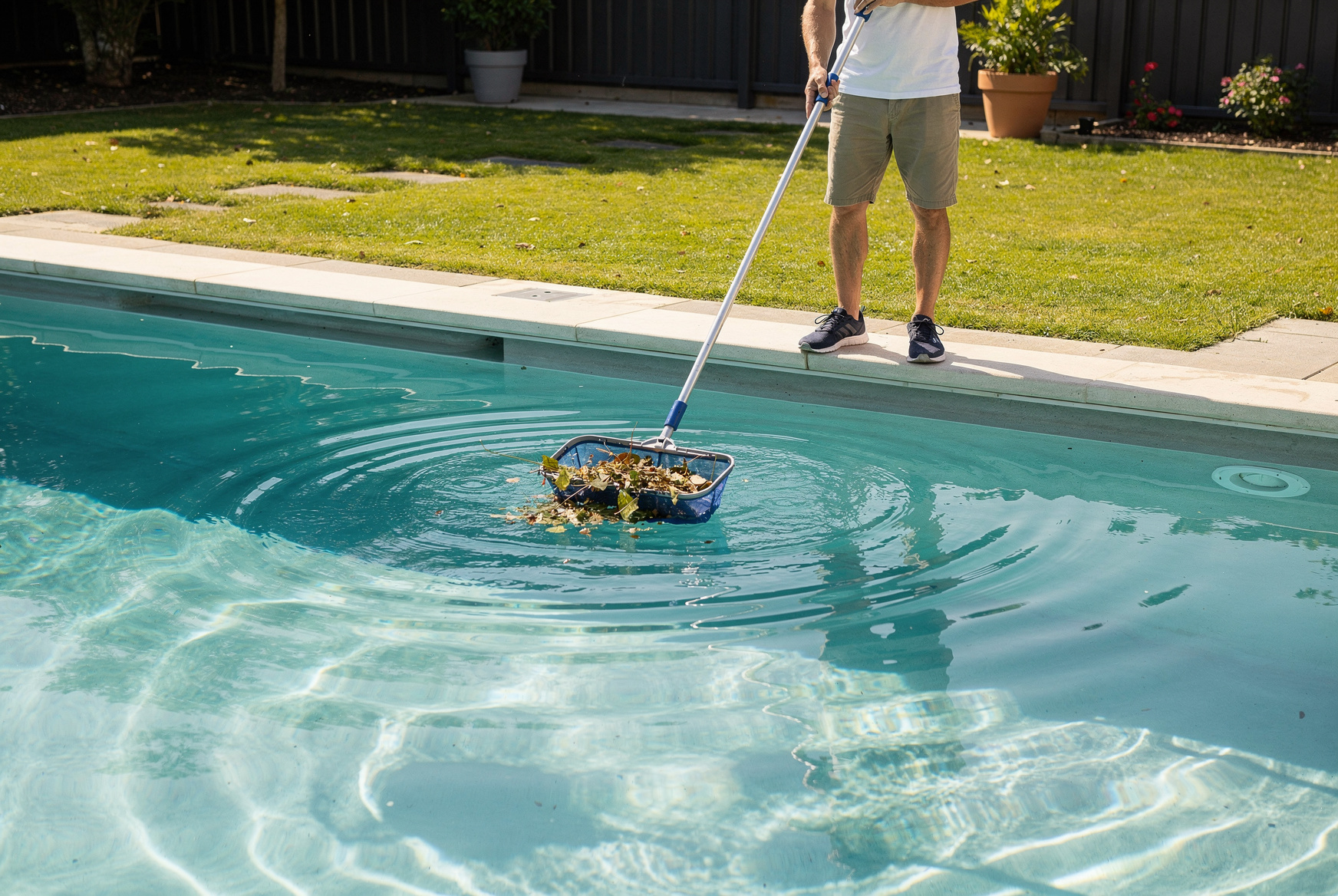
Wondering if a pool is still worth it in 2026? Here’s the quick answer: expect pool maintenance to run between $3,000 and $6,000 a year, depending on size, location, and whether you hire professionals.
There are ways to keep costs down, and for some, renting out the pool by the hour even turns those expenses into income. Let’s get into the real numbers, what drives them up, and how to manage your budget smartly.
Pool Maintenance Costs in 2026: The Quick Answer
Your pool’s monthly and annual expenses depend on how much you tackle yourself or leave to the pros. Here’s a breakdown you can count on:
- DIY monthly cost: $50–$150
- Professional weekly service: $150–$350+ monthly
- Annual cost for basic pool ownership: $3,000–$6,000 per year
- Heated pools, older equipment, or year-round use: Can reach $7,000–$10,000+ yearly
Smaller pools and milder climates sit on the low end. Large heated pools in states like Texas or Florida push costs higher, especially when using weekly services.
Monthly Pool Maintenance Cost Breakdown
Most costs come month-to-month. Here’s what pool owners spend on the basics:
Chemicals and Water Balancing
Expect to spend $50–$100 monthly on chlorine, shock, pH adjusters, algaecide, and stabilizer for standard pools. Saltwater pools can be a bit less, around $40–$80, but they're not chemical-free.
Chemical expenses spike after storms, heatwaves, or parties. Sunscreen, sweat, and debris throw off water chemistry. Budget extra during the summer or after heavy use.
Pool Cleaning Service
About 60% to 65% of pool owners use a cleaning service. A weekly, full-service plan costs $150–$350+ each month for a typical home pool.
Extras like deep cleaning, algae treatment, or equipment repairs cost more. If you rent your pool, professional service keeps guests happy and your reviews positive.
Electricity, Pumps, and Filtration
Pump and filter systems boost electric bills by $30–$150 every month. Variable-speed pumps can cut usage up to 80% compared to old single-speed models, running as low as $8–$20 a month.
Since September 2025, only variable-speed replacement pumps are allowed for most pools, so expect better energy efficiency if you're replacing one soon.
Water and Heating
Evaporation, splash-out, and backwashing add $10–$30 monthly for water. Heating impacts the most: gas heaters can cost $150–$300 each month. Electric heat pumps are more efficient, using around $50–$150 monthly. Solar heating comes with almost zero monthly fees after installation.
If you love warm water or swim all year, heating will be the biggest optional expense to track.
Annual Pool Maintenance Cost Breakdown
Some expenses hit just once or twice a year, but they add up fast. Here’s what to include:
Seasonal Opening and Closing
- Pool opening: $150–$500, varies by area
- Closing/Winterization: $200–$650
- Combined: $300–$700 each year in seasonal states
Warm climate owners skip these, but ongoing monthly costs are usually higher. For example, Toronto pool owners pay around $650 for opening and $550 for closing.
Filters, Cartridges, Salt Cells, and Small Parts
- Cartridge filter replacement: $60–$200 for elements, $250–$1,200 installed
- Sand filter media replacement: $300–$600 every 5–7 years
- Salt cell replacement: $300–$1,000 every 3–5 years
- Filter cleaning service: $75–$200 per cleaning
- Small parts (o-rings, baskets, seals): $50–$150 yearly
Factor these into your yearly budget, even if the bills come at random times.
Repairs and Equipment Replacement
- Pool pump repair: $250–$800, replacement $300–$2,500 installed
- Gas heater repair: $400–$1,200, replacement $1,500–$4,500 installed
- Pool light replacement: $450–$1,700
- Plumbing leaks: $200–$1,000
- Automation replacement: $1,500–$3,500+
Technicians now charge $85–$120+ hourly in 2026. Plan a $200–$1,000 buffer each year for surprise repairs.
DIY vs. Professional Pool Maintenance
The biggest way to control costs is how much work you do yourself versus hiring someone. Here’s how budgets compare:
DIY Pool Maintenance Costs
Doing it yourself costs $50–$150 monthly or $600–$1,800 per year for supplies. You’ll want a good pole, skimmer net, brush, vacuum, and test kit. Expect $450–$840 to get started.
Most owners spend 1–2 hours each week. DIY makes the most sense if you’ve got the time and don’t mind the work.
Professional Pool Service Costs
Professional weekly care usually runs $1,000–$4,200 yearly. You’re paying for consistency, experience, and saving time. Pro service is especially smart for pool rentals. Pros spot problems sooner and keep water chemistry on track.
Cost Differences by Pool Type
Type of pool has a big impact on cost. Here’s how it breaks down:
Chlorine Pools
Chlorine pools are common and need regular chemical management. Count on $50–$100 monthly for chemicals. Costs rise with heat, storms, or busy swim weeks.
Chlorine prices are still high after the 2020 BioLab fire, with liquid chlorine at $3.00–$4.50 per gallon in 2026.
Saltwater Pools
Saltwater pools cost less day-to-day at $40–$80 monthly, but salt cell replacements every few years run $300–$1,000. pH, alkalinity, and calcium still need balancing.
Over 10 years, total ownership costs for saltwater pools can be a bit higher due to the salt cell replacements.
Heated Pools and Spas
Heating is usually the biggest optional pool cost. Gas heaters cost $150–$300 monthly. Electric heat pumps save money at $50–$150. Hot tubs and spas add more energy and chemical needs. If you heat the pool, include this from the start.
Hidden Pool Costs Owners Forget About
It’s easy to focus on monthly fees and skip the hidden expenses. Make sure to include these in your plan:
- Homeowner’s insurance: Usually $50–$150 per year extra
- Pool cover replacement: $550–$7,500
- Vinyl liner replacement: $2,000–$7,500
- Concrete pool resurfacing: $6,000–$15,000 every 10–15 years
- Fence, gate, safety updates: Cost varies by local rules
- Landscaping and pest control: $200–$600 yearly
Over 10 years, pool ownership can total $40,000 to $70,000. It’s not a reason to panic, but planning ahead avoids surprise costs.
After-Party and Heavy-Use Cleanup
Big pool days or parties mean extra cleanup work and extra chemical use. Expect to spend more on chemicals, more time on skimming, and possibly an early filter cleaning after these busy events.
Weather-Related Costs
Storms and heatwaves drive up chemical use, cleaning, and evaporation. Heavy rain affects water balance. In Florida, post-hurricane services can cost over three times the normal rate. Areas with wild weather should budget extra.
What Impacts Pool Maintenance Costs the Most?
Certain factors push costs higher or lower. These two matter most:
Location and Climate
States like California, Texas, Florida, and Arizona make up over half of pool sales. Year-round swimming means higher annual costs. Texas owners typically pay $1,400–$3,000. Florida owners report $3,000–$5,000 yearly.
Seasonal areas like New York and Toronto save on monthly fees but pay for opening and closing.
Pool Usage
More swimmers mean more chemicals, more cleaning, and faster equipment wear. Kids, pets, swimsuit fibers, sunscreen, and snacks all add to the workload. If you rent out your pool or host parties often, budget for the extra activity.
How to Lower Pool Maintenance Costs
You can't avoid costs, but you can manage them better. Here are the most effective tips:
Simple Weekly Habits That Save Money
- Skim, brush, and vacuum the pool every week
- Empty the baskets often
- Test and balance chemicals regularly
- Check and adjust the water level
Dealing with cloudy water or early algae growth right away is much cheaper than a full algae cleanup. Staying consistent saves money in the long run.
Smart Upgrades That Can Pay Off
- Variable-speed pump: Cuts $100–$300 off your yearly bill
- Pool cover: Lowers evaporation and keeps heating costs down
- Robotic cleaner: Costs $1,000–$2,000 upfront. Saves manual labor over time
- LED pool lights: $700–$1,500 installed. Last up to 20 years
- Automation systems: $1,500–$3,500+ for better energy use
- Solar heating: Almost no monthly cost after install, with payback in 1–7 years
Compare payback time before upgrading. Not every change pays off right away, but smart choices cut bills over the long term.
Sample 2026 Pool Budget Scenarios
Here are three budget examples. Use these to estimate your own expenses:
Budget Scenario: DIY Pool Owner
- Chemicals and supplies: $40–$100 monthly
- Electricity: $50–$150 monthly
- Water top-offs: $15–$40 monthly
- Equipment fund: $30–$60 monthly
- Repair fund: $20–$50 monthly
- Total monthly: $155–$400
- Total annual: $1,860–$4,800
Budget Scenario: Weekly Pool Service
- Monthly service: $150–$250
- Utilities: $50–$150 monthly
- Equipment fund: $30–$60 monthly
- Repair fund: $20–$50 monthly
- Seasonal open/close: $300–$700 yearly
- Total monthly: $240–$525
- Total annual: $2,880–$6,300
Budget Scenario: Heated Pool With Heavy Use
- Weekly cleaning: $150–$300 monthly
- Chemicals: $50–$125 monthly
- Electricity for pump and heater: $100–$300 monthly
- Equipment repairs: $200–$1,000 annually
- Total annual: $5,400–$10,500
Is Owning a Pool Still Worth It in 2026?
Most owners still find pools worth it. A pool means private swims, family parties, and a backyard you use more often. It’s more convenient and private than public pools or hotel day passes.
Plan ahead, know your maintenance needs, and keep up with small issues before they become expensive repairs.
Turn Your Pool From a Cost Center Into a Backyard Business
Your pool can cover its own bills. Swimply lets homeowners rent their pools by the hour. Guests book for family swims, parties, pet swims, and even lessons.
Hosts create their own rules and set rates. Most pools rent between $25 and $100 per hour. Many charge $45–$90 hourly. Listing is free, and payouts come 48 hours after each booking.
Swimply gives protection up to $1,000,000 in liability and $10,000 in property damage per booking. Listing on Swimply is free and helps you earn real cash to cover the costs of cleaning and maintaining your pool.
If costs feel high this year, hourly pool rentals are a real way to make the numbers work. See what your pool can earn and use your pool to its full potential.