Pool Liner Replacement Cost: The 2026 Guide
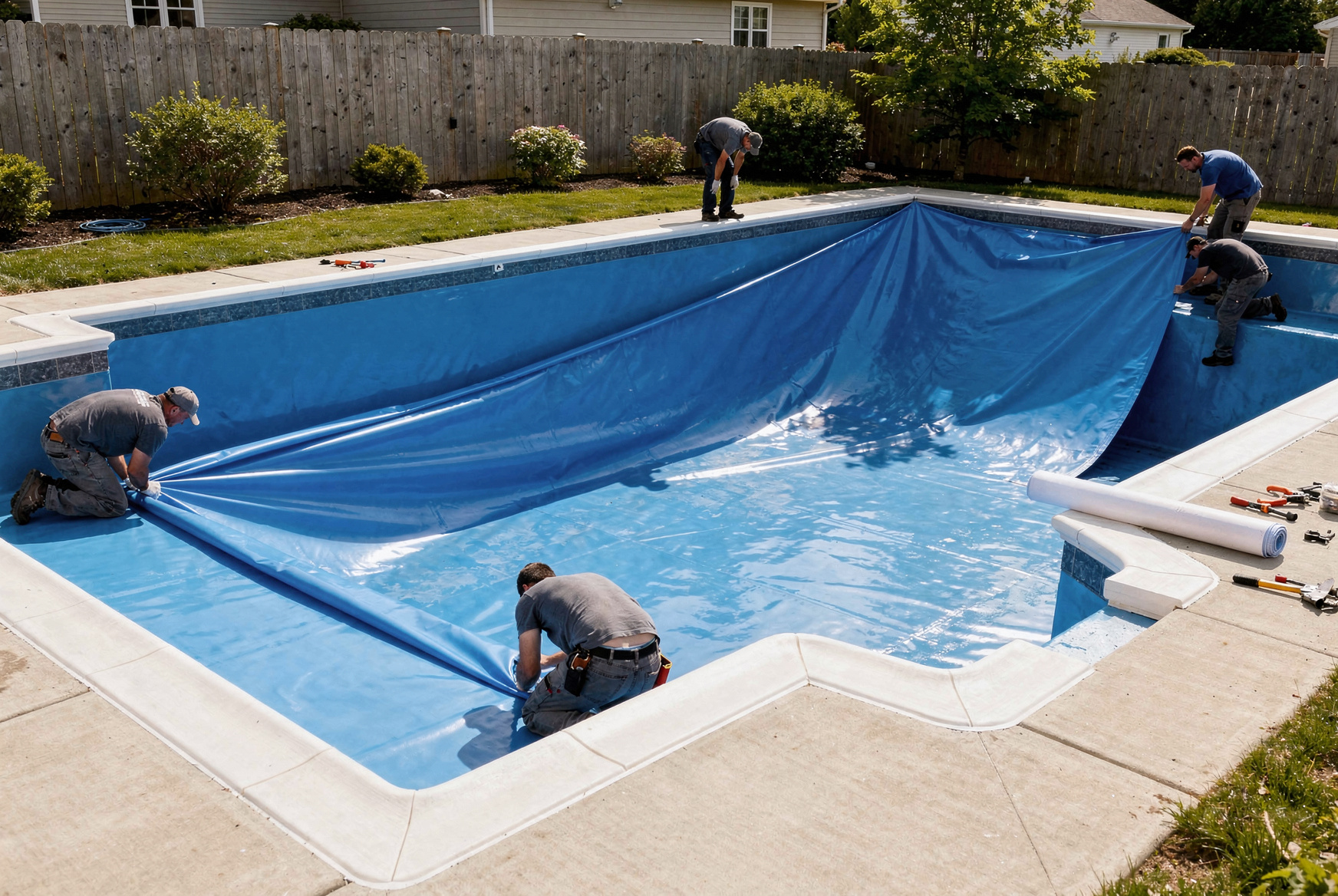
Pool liner replacement can seem expensive, but in 2026, most projects cost between $1,200 and $7,500. The price depends on your pool type, size, liner thickness, and labor in your area. It's a big investment, but a new liner keeps your pool looking sharp, prevents leaks, and protects its structure.
Knowing the real costs upfront prevents surprises. This guide shows you what to budget for, what most quotes leave out, and how to decide between DIY and hiring a pro.
Pool Liner Replacement Cost in 2026: The Quick Answer
Vinyl liner replacements in 2026 usually fall between $1,200 and $7,500. Here's a quick breakdown by pool type:
- Above-ground pool liner replacement: $500 to $2,500 total
- Inground vinyl pool liner replacement: $3,000 to $5,500 for a standard rectangular pool
- Large or custom inground pools: $6,500 to $9,000 or more
The national average is around $2,585. Expect higher costs for inground pools with stairs, tanning ledges, or custom shapes. Wall or floor repairs and unusual designs also increase labor and material costs.
Liner replacement costs much less than resurfacing a concrete or fiberglass pool. Those jobs can reach $10,000 to $30,000 or higher.
What's Included in a Pool Liner Replacement?
A full replacement covers more than just swapping the vinyl. Typical professional jobs include:
- Draining the pool
- Removing and disposing of the old liner
- Inspecting floor, walls, steps, and fittings
- Measuring the pool for a new liner
- Installing and fitting the new liner
- Refilling the pool
- Balancing water chemistry after installation
Some contractors include disposal and new gaskets in the quote. Others charge extra for those. Make sure to ask what’s included.
2026 Cost Breakdown by Pool Type
Pool type heavily affects what you’ll pay. Here’s how costs break down for each one.
Above-Ground Pool Liner Costs
Above-ground liner replacements cost less and are simpler. Here’s what you’re looking at:
- Liner material only: $500 to $900
- Professional installation labor: $250 to $800
- Total cost: $700 to $2,500 for the full job
Overlap, beaded, and unibead (J-hook) are the most common liner types. Larger pools and higher walls need more material. DIY is an option here, but bad measurements or a rushed install can lead to wrinkles and leaks.
Inground Vinyl Pool Liner Costs
Inground liners cost more due to job complexity. Here’s what to expect:
- Liner material only: $1,200 to $2,100 for standard
- Up to $4,000 for a premium 30-mil liner
- Labor: $1,000 to $2,500
- Total replacement (standard rectangular): $3,000 to $5,500
- With water refill: $4,000 to $6,500
- Premium or custom installs: $6,500 to $9,000 or more
Features like stairs, benches, tanning ledges, and deep ends drive the price up. Professional measuring is key. A poorly fitted liner won’t last long.
Custom Pool Liner Costs
L-shaped, freeform, vanishing edge, or pools with attached spas mean custom work. Expect these extra costs:
- Custom liner fabrication adds $500 to $1,500 over standard liners
- Patterned or dark liners cost more than basic blue
- Complex shapes take more labor to fit
- Total projects can hit $7,500 or more before surprise repairs
The Biggest Factors That Change the Price
Your final quote combines liner cost, labor, pool condition, and timing. Here’s what affects the price most:
Pool Size and Shape
Bigger pools mean more material. Freeform shapes need more measuring and fitting time. Deep ends add extra labor. Simple rectangles save money. Figure around $5 per square foot for a full job.
Liner Thickness
Most liners are 20, 27, 28, or 30 mil thick. Thicker liners cost more but aren’t always better. Many builders like 20-mil liners for their stretch and better fit. A well-installed 20-mil liner outlasts a poorly installed 30-mil liner. Upgrading thickness adds $200 to $700 to your cost.
Labor Costs in Your Area
Labor is higher in big cities. Spring and early summer are peak seasons with longer waits and higher prices. Booking in early spring or late fall can save up to 10% on the total job.
Pool Repairs Found During Replacement
When the old liner comes out, hidden issues may surface. Contractors often find:
- Floor cracks or rough spots
- Rust on steel walls
- Soft spots in the floor
- Damaged coping or tracks
- Leaking fittings
- Step or gasket problems
Spot repairs add $150 to $600. A full floor rebuild can cost $1,200 to $3,000. Fixing problems now is cheaper than waiting until the pool is filled up again.
Water, Chemicals, and Cleanup
These smaller pieces add up. Plan for:
- Water refill: $60 to $350 (city water) or $400 to $900 (trucked-in water)
- Startup chemicals: $80 to $200
- Old liner disposal: $75 to $200
Extra Costs to Budget For
You may not need all of these, but ask before booking:
- New faceplates and gaskets: Often needed; check if included
- Main drain work
- Skimmer or return repairs: $100 to $400
- Wall foam: Included sometimes, sometimes extra
- Floor patching or vermiculite repairs: $150 to $3,000 depending on damage
- Water delivery: $400 to $900 if city supply isn’t enough
- Rush ordering a liner: $200 to $500
- Peak-season scheduling: May cost more or mean longer waits
Hidden costs not on the quote can add $400 to $2,000 to your invoice, so always get an itemized quote.
DIY vs. Hiring a Pro
Choosing between DIY and a pro depends on your pool.
When DIY Might Make Sense
Above-ground pools are more DIY-friendly. Skipping labor can save $250 to $800. You'll need the right tools, a helper, and solid measurements. Mistakes like wrinkles, bad cuts, or leaks can shorten the liner’s lifespan.
Some liner warranties need pro installation to stay valid. Check before doing it yourself.
When It's Worth Calling a Pro
Call a pro for:
- Any inground pool
- Custom shapes or freeform pools
- Pools with stairs, benches, or ledges
- Older pools with possible wall or floor issues
- If you want the job done right the first time
DIY mistakes can lead to more costs than hiring an expert. Protect your investment by getting it done professionally when needed.
How Long Does a Pool Liner Last?
Vinyl liners last several years with good care:
- Inground vinyl liners: 5 to 12 years
- Above-ground vinyl liners: 6 to 10 years
Sun, over-chlorinating, sharp objects, pets, rough surfaces, and missed winterization can shorten liner life. Good water chemistry and a pool cover help liners last longer.
Signs It's Time to Replace Your Pool Liner
Here are clear signs you need a new liner, not just a patch:
- Fading, brittle, or discolored vinyl
- Cracks or tears that come back
- Leaks keep returning after patching
- Wrinkles won’t settle
- Liner pulls away from the track again and again
- Stains that stay put
- Ongoing water loss
Patching deals with small, isolated damage under seven years old. DIY kits run $20 to $50. Pro patches cost $150 to $500. Once a liner hits eight years with several patches, replacement is the smart move.
How to Save Money on Pool Liner Replacement
- Get at least three quotes and ask for a full cost breakdown
- Book in early spring or late fall for discounts up to 10%
- Confirm what's included: gaskets, disposal, floor prep, water refill
- Pick simple, durable liner patterns over custom designs
- Balance water chemistry all year to extend liner life
- Fix small leaks early
- Clear the pool area before installers arrive
- Bundle repairs while the liner is out
- Don’t just pick the lowest bid if prep work gets skipped
Questions to Ask Before You Book the Job
- Is measuring included in your quote?
- Is draining covered?
- Does the price cover old liner removal and disposal?
- Are gaskets and faceplates included?
- What happens if floor or wall damage is found?
- How long will installation take?
- When can the pool be used again?
- What liner thickness and patterns can you choose?
- Is water balancing after refill included?
- Any trip fees, disposal fees, or rush fees?
Is Replacing a Pool Liner Worth It?
Most of the time, yes. A new liner instantly freshens up the pool. It stops leaks and protects the pool structure. When the old liner goes, the pool looks and feels better right away.
Guests notice the change. Parties feel more inviting. A great pool boosts your home’s style and value.
Make Your Pool Pay You Back
Pool maintenance isn’t cheap. Every year, liners, chemicals, cleaning, and repairs can total thousands. You can offset these costs by listing your pool on Swimply.
Swimply is a marketplace where private pool owners rent out their pools by the hour. Guests use them for swimming, relaxing, or parties. Hosts set their own prices, hours, and rules. Listing is free and there’s no charge until a booking happens.
Swimply offers the Swimply Protection Guarantee. You’re covered for up to $1 million in liability and $10,000 in property damage per booking. The protection doesn’t cover pool liner damage, but income from bookings can offset replacement costs.
If your pool sits empty between family swims, it could make money. Check out Swimply to see what your pool could earn.