How to Winterize a Pool: Your Complete Step-by-Step Guide
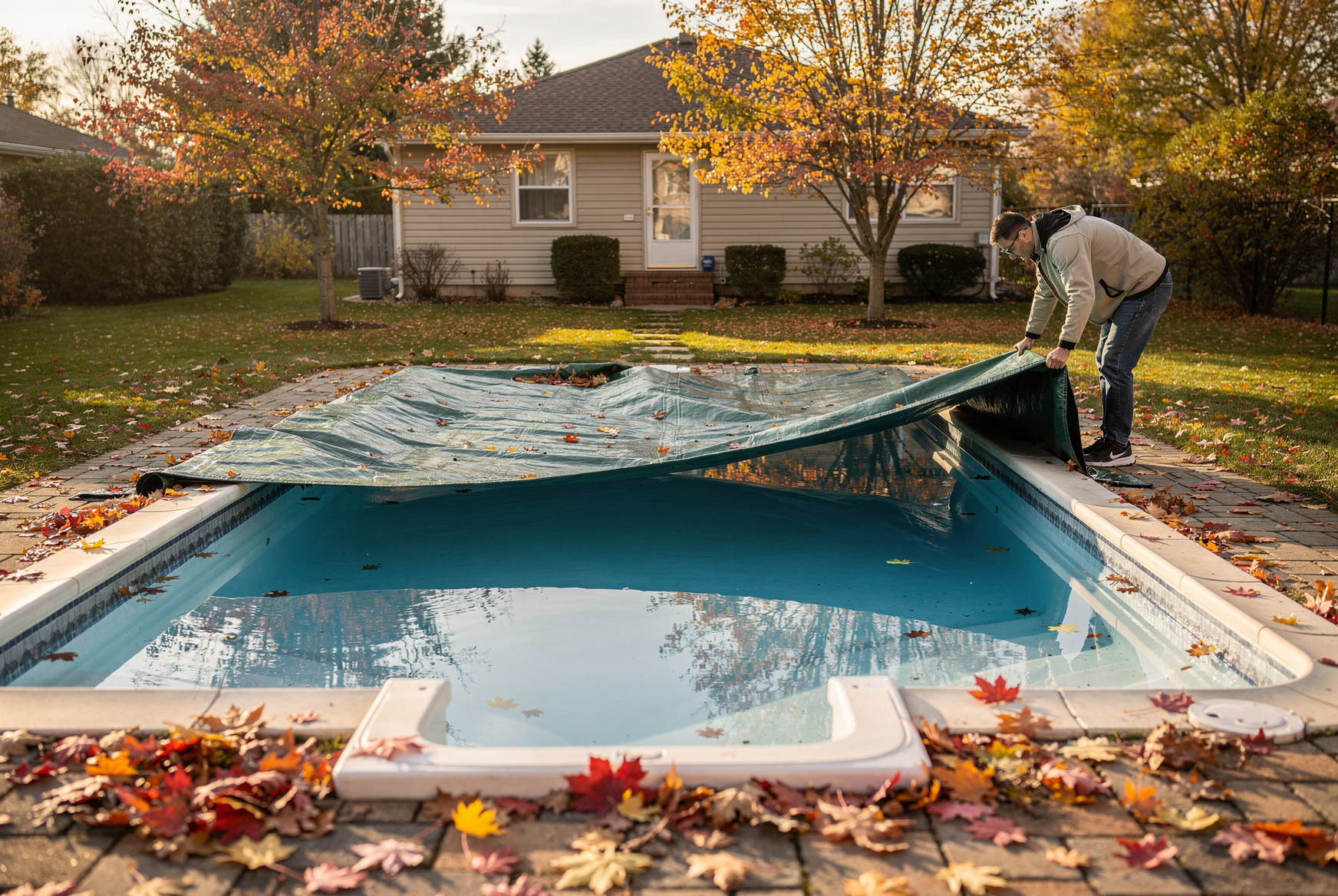
Winterizing a pool keeps costs down and prevents expensive repairs. Do it right and avoid freeze damage to pipes, pumps, or the pool surfaces. The main steps include cleaning, balancing water, protecting equipment, adding winter products, lowering water if needed, and covering up tight.
Here’s the answer upfront: Clean the pool, adjust water chemistry, prep your gear, add winter chemicals, lower water if needed, then secure a quality cover. Do every step in this order for an easy spring opening. Here’s how it’s done, step by step.
What's the Quick Answer on How to Winterize a Pool?
Winterize a pool by cleaning it, balancing the water, protecting plumbing and equipment, adding winter products, lowering the water if needed, and covering up with a fitted winter cover. Different pools and climates need tweaks to the process.
The detailed steps:
- Clean the pool
- Test and balance the water
- Drain to the recommended level
- Clear and plug all lines
- Remove accessories
- Add winter products
- Cover the pool securely
Stick to this order and reopening the pool in spring becomes so much easier.
Basic winterizing timeline
- Clean the pool and test the water
- Balance water chemistry
- Prep and drain equipment
- Clear and protect plumbing
- Add winter pool chemicals
- Lower water if needed
- Install and secure the cover
Professional help versus DIY
Some owners handle all these steps. Others need help.
- DIY-friendly: Basic pools in mild climates with simple equipment
- Call a pro: Pools with complex systems, saltwater, attached spas, or harsh freezes
If blowing out lines feels intimidating, call in help. Fixing a cracked pipe costs way more than a quick service call.
When Should You Close Your Pool for Winter?
Close the pool for winter when the water stays around 60°F or lower, and you’re done swimming. At this point, algae and bacteria stop growing, and water stays balanced longer.
Don’t close too early or late. Use a pool thermometer and go by water temperature, not the date. In warmer places, you might only do lighter prep. Adjust the plan for your climate.
Cold climate timing
In cold places, winterize before a hard freeze. Don’t wait for the last minute or you’ll stress during cold weather steps. Give yourself time before the first freeze arrives.
Mild climate timing
In warm areas, you may never fully close the pool. Let the pump run on a reduced schedule, keep up with chemicals, and use a cover. Just top up water for evaporation and check chemicals monthly.
What Supplies Do You Need to Winterize a Pool?
Have every supply ready before starting so you don’t rush out mid-project. Grab these tools and products:
Cleaning supplies
- Pool brush
- Skimmer net
- Vacuum
- Filter-cleaning gear
Water care supplies
- Test strips or a test kit
- pH up or down
- Alkalinity booster
- Calcium hardness product
- Sanitizer, algaecide
- Winter closing kit (if used)
Cover and plumbing supplies
- Fitted winter pool cover
- Return plugs, skimmer plug
- Gizzmo or skimmer protector
- Cover clips or water bags
- Cover pump for solid covers
- Air pillow (above-ground pools)
- Air compressor or shop vac
How Do You Clean the Pool Before Closing It?
Clean the pool before closing. Skim debris, brush the surfaces, vacuum the floor, empty the baskets, and clear every problem spot. Leaves and dirt shouldn’t sit under the cover all winter.
A dirty pool eats up chemicals faster, then reopens as a mess in the spring. Always start with a sparkling pool before winterizing.
Skimming and brushing
Use the skimmer to pick up leaves, bugs, and floating stuff. Brush the walls, steps, corners, and waterline to loosen any stuck dirt. This way, vacuuming is quicker and more complete.
Vacuuming the pool floor
Vacuum slowly so you actually pick up the debris, not just scatter it. If the floor still looks dirty, go over it again. Don’t rush this step.
Cleaning baskets and filters
Empty the skimmer and pump baskets. Clean or backwash the filter based on its type. A clean filter gets stored better during cold months and makes spring easier.
How Do You Balance Pool Water Before Winter?
Test the water, then adjust pH, alkalinity, calcium hardness, and sanitizer to winter levels. Balanced water guards surfaces and gear from stains or corrosion. Always follow your product’s label or professional advice for your pool type.
Testing the water
Use a reliable test kit or quality test strips. Guessing leads to mistakes. Test first, then add chemicals as needed.
Adjusting pH and alkalinity
- pH: Target 7.2 to 7.6
- Alkalinity: Target 80 to 120 ppm
Some pros push both a bit higher before winter since still water can naturally drop these numbers over time.
Checking calcium hardness
The right calcium depends on your pool surface. Plaster pools need more than vinyl or fiberglass. Too little and the plaster can etch. Don’t skip this part if your pool has plaster.
Running the pump after balancing
Run the pump so chemicals mix thoroughly. Don’t drain or cover until products have time to circulate fully.
How Do You Lower the Water Level for Winter?
Lower the water only as much as your pool type, cover, and climate require. Usually that’s below the skimmer or return lines in cold climates. Safety covers may not need much lowering, but mesh covers and tile lines sometimes do.
Always check your manufacturer’s guidelines before lowering water.
In-ground pool water levels
- Solid covers: Lower water 3-4 inches below the skimmer
- Mesh covers: Drain lower for snowmelt
- Fiberglass pools: Often don’t lower water below the skimmer
Always check your pool and cover maker’s advice.
Above-ground pool water levels
- Keep enough water to support the wall and liner
- Usually 4-6 inches under the skimmer is enough
- Don’t over-drain or the liner can shift or wrinkle
Cover manufacturer guidance
Some covers need water support to sit right while others don’t. Read the cover instructions for the best fit and long-lasting protection.
How Do You Protect Pool Plumbing and Equipment?
Protect plumbing and equipment by draining water from the system, blowing out the lines, plugging openings, and storing removable parts somewhere dry. These steps help avoid cracked pipes from freezing water left behind.
Turning off power
Switch off all pool equipment. Never work on wet electrical parts with the power on. Work safe and stay cautious.
Draining pool equipment
Drain pumps, filters, heaters, chlorinators, and salt cells. Pull the drain plugs and keep them in the pump basket for spring so they don't get lost.
Clearing pool lines
In freeze-prone areas, use an air compressor or shop vac to blow all water from plumbing lines. Blowing out lines usually needs two people. If unsure, get help from a pro.
Plugging returns and skimmers
- Seal return lines with winter plugs
- Use a gizzmo in the skimmer to absorb ice pressure
- Wrap threads with PTFE tape for a tight seal
- Only use pool-grade antifreeze, never automotive types
Storing removable accessories
- Ladders and handrails
- Pool toys, floats
- Automatic cleaners
- Hoses, baskets, vacuum gear
How Do You Add Winter Pool Products?
Add winter pool products using label directions and dose according to pool size. Let the water circulate before adding the cover. Never mix products together or use rough estimates for dosage.
Sanitizer levels
Water should be sanitized before covering. Check sanitizer levels fall within the safe range on your product label. Clear, sanitized water means less work in the spring.
Algaecide and winter kits
Algaecide and winter chemical kits help keep water clear through the cold months. These products fight the slow algae growth and staining under the cover. Many owners find kits take the guesswork out of winterizing.
Product label directions
Always dose for your pool's exact gallons. Too little product won’t protect the pool and too much wastes money and chemicals. Follow instructions for best results.
How Do You Cover the Pool for Winter?
Cover the pool with a fitted winter cover. Secure tight to keep debris out and prevent damage from snow or water build-up. Remove slack so wind can’t lift the cover or let dirt sneak in.
Solid covers
- Block sunlight and keep all debris out
- Help pool keep more chlorine
- Use a cover pump to remove pooled rain or snow water
Mesh covers
- Let water drain through
- Lighter and simple to install
- Fine debris and more sunlight can get in, so some spring clean-up may be needed
Above-ground pool air pillows
- Place the air pillow under the cover to absorb ice pressure
- Support the cover and direct debris to pool edges
- Inflate about half full so it can compress without bursting
Cover checks during winter
- Check often for heavy debris or snow
- Make sure cover anchors or weights stay tight
- Pump off any standing water on solid covers
What Should Above-Ground Pool Owners Do Differently?
Above-ground pools need special care. Protect the skimmer and return, always use an air pillow, keep the cover secure, and avoid draining too much water. The water supports the walls and liner, preventing collapse or shifting.
Wall and liner support
- Never fully drain unless the manufacturer recommends
- Keep water within the safe range for liner and wall support
Skimmer and return protection
- Plug skimmer and return fittings to avoid freezing damage
- Drain the filter and pump
- Leave the filter drain plug out until spring
Wind and cover security
- Above-ground covers can catch wind
- Secure with clips, cable and winch, or water bags
- Check after each storm and re-tighten if needed
What Winter Pool Maintenance Should You Do After Closing?
After closing, check the cover, remove heavy debris, and watch water levels. Even after winterizing, a little attention stops small issues from turning into big repairs.
Monthly cover checks
- Watch for sagging, loose anchors, tears, or stacked-up debris
- Fix small tears right away to prevent them from spreading
Water level checks
- Keep water at the right level for pool and cover
- Adjust after major rain, snow, or if you spot slow leaks
Equipment area checks
- Store plugs together to avoid losing them
- Keep pad and gear tidy and dry for a smooth spring start
What Are Common Pool Closing Mistakes to Avoid?
Most spring pool problems start with missed steps during closing. Avoid these classic mistakes to save money and effort next season.
Skipping the cleaning step
- Leaving debris behind leads to stains and cloudy water next season
- Always clean thoroughly first
Guessing on water chemistry
- Unbalanced water causes corrosion or stains
- Test, then adjust to target ranges
Forgetting drain plugs
- Not removing all plugs can crack equipment
- Label and store plugs together for easy spring setup
Using a loose or damaged cover
- Loose covers let debris and water inside
- Check for fit and patch any damage before winter hits
Frequently Asked Questions
Can you winterize a pool without draining it?
Yes, most pools don’t need full draining. Lower water based on your pool type and climate. Full draining can damage some pools, so always follow the manufacturer’s recommendation.
Do you run the pool pump in winter?
In cold areas, stop and drain all equipment after closing. In mild climates, some keep the pump running part-time to keep water moving and balanced year-round.
Should you shock a pool before closing it?
Most people shock their pool right before closing to clear water. Just wait for the levels to drop back into a safe range before putting on the cover.
Can you close a green pool for winter?
Never close with green water. Clean and treat it first, or it will be even tougher and messier to fix in spring. Green water can also stain the pool surfaces.
How long does it take to winterize a pool?
A basic pool can be winterized in a few hours. Larger pools or setups with complex plumbing will take more time, especially when blowing out lines.
Make Your Pool Pay You Back When Swim Season Returns
Pools need time and money for care, chemicals, covers, and winter prep. Once swim season’s back, an underused pool can start earning it back for you.
- Swimply lets private pool owners rent their pool by the hour
- Guests look for private swim spaces or party spots
- Turn an underused pool into income that offsets your annual costs
- Set your own pricing, rules, and schedule
- It’s free to list and hosts keep 85% of the reservation price
- Swimply handles bookings, payments, and support
- Get up to $1,000,000 in host protection and property coverage up to $10,000 via the Swimply Protection Guarantee
If you know how to winterize and reopen your pool smoothly, consider renting it out. Let your pool help pay the bills when it’s ready for guests again.