How to Heat a Pool: Options, Costs, and How to Save
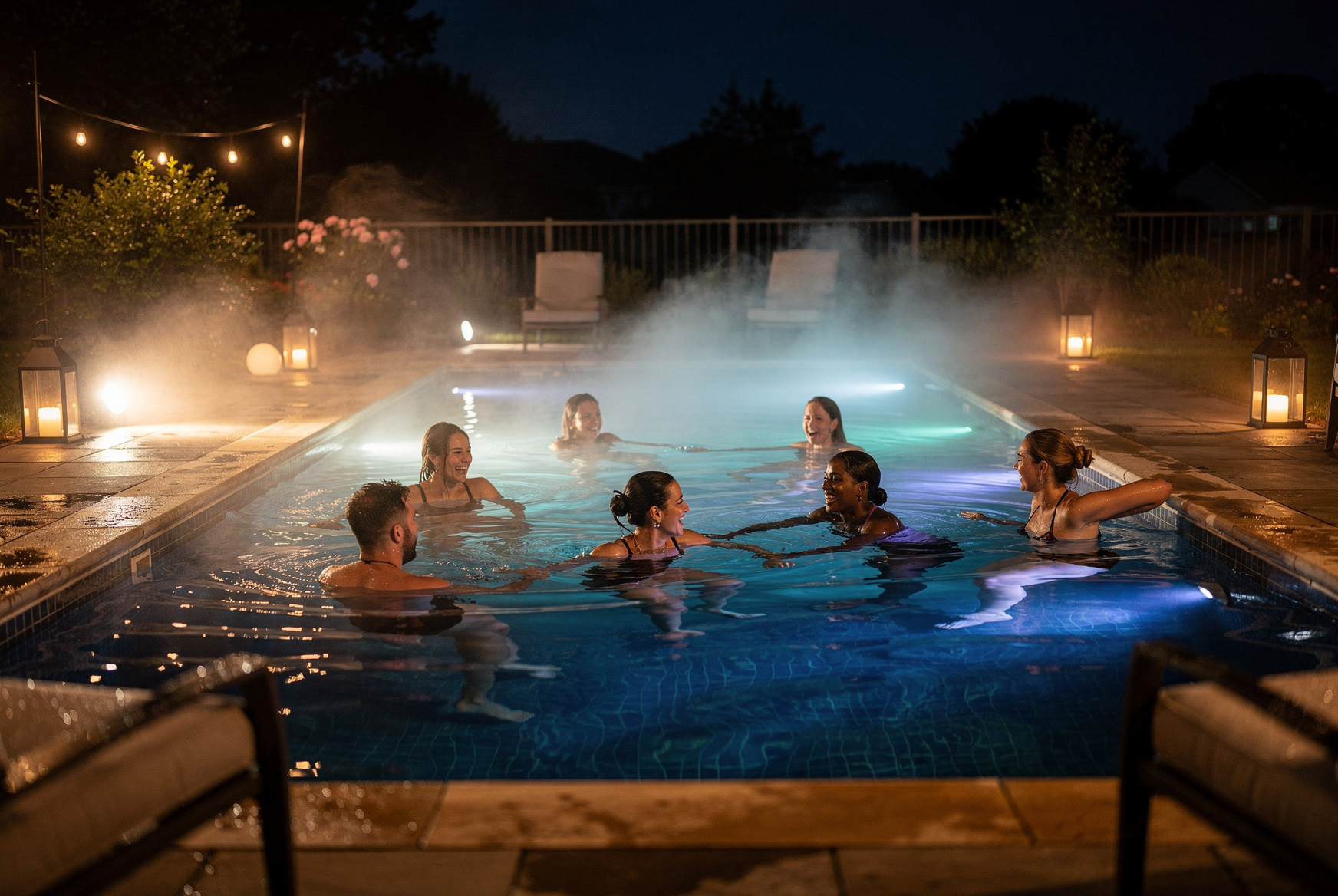
The best way to heat a pool depends on how fast you want warm water, your budget, your local weather, and how often you swim. Most pool owners find the right setup by pairing a heater with a cover. This combo stretches the swim season, raises the comfort level, and gets the most from your pool investment.
Heat pumps work great for regular swimmers. Gas heaters bring water to temperature fast for parties. Solar systems make sense where there's lots of sun. No matter your choice, a pool cover helps keep heat in and your bills down.
Cleaning, chemicals, and upkeep cost money every month. If your pool is icy cold, you're not enjoying what you pay for. With the right heating method, you get more value and more days in the water.
The cost to heat a pool ranges from under $100 for a simple cover to several thousand for a heater plus installation. With smart planning, you can control your monthly bills and enjoy comfortable swims any time.
What's the Best Way to Heat a Pool?
The best heating method depends on how you use your pool and your climate. Most find a heat pump works best for frequent use in mild areas. Gas heaters are ideal for instant warmth. Solar works for sunny spots. Pairing any heater with a cover boosts results.
- Heat pumps deliver steady, reliable heat and use less energy than gas or electric heaters.
- Gas heaters warm water quickly and work in almost any climate.
- Solar heaters keep costs low and make the most sense in sunny places.
- Pool covers stop heat loss and save the most money for every pool owner.
Best overall option
Heat pumps use warmth from the air to heat your pool. They run quietly and cost less each month than gas or electric models. The upfront price is higher, but steady use pays off over time.
- Great for families that swim often.
- Best in mild or warm climates.
- Low operating costs help recover the initial expense.
Best fast-heating option
Gas heaters bring your pool to swimming temperature in a few hours. They're not tied to air temperature or sunlight. They're perfect for spontaneous weekend swims or last-minute pool parties.
- Higher fuel cost makes them best for occasional use.
- Work in all climates and for any pool size.
- Can heat water after a cold night or for an event.
Best low-running-cost option
Solar pool heaters use roof or ground panels to capture the sun's warmth. Once they're installed, you're heating the pool for next to nothing each month. Slower heat and weather dependency are the main tradeoffs.
- Long-term savings perform best in sunny places.
- Heating is gradual and depends on daily sunlight.
- Needs roof or yard space for panels.
Best low-cost add-on
Pool covers trap heat, stop water from evaporating, and save chemicals. Over 70% of all heat loss comes from evaporation. A cover slows this down and often raises the water temperature by 10 to 15°F.
- Cheapest way to save money and keep heat in.
- Works with all heater types.
- Simple but effective for every pool owner.
How Much Does It Cost to Heat a Pool?
The cost to heat a pool ranges widely. It depends on the heater, install fees, pool size, local rates, desired temperature, climate, and especially if you use a cover. Here are the typical breakdowns:
Heat pump cost breakdown
- Equipment plus installation: $2,000 to $6,000, but it could be more if extra wiring is needed.
- Monthly operating cost: $100 to $200 (much lower than gas.)
- Best for: Frequent swimmers in mild climates who want stable temperatures.
Gas heater cost breakdown
- Equipment: $1,500 to $4,800, add $500 to $2,000 for installation.
- Monthly fuel cost: $200 to $400 for natural gas, up to $850 for propane.
- Best for: Fast warmups and infrequent use.
Solar pool heater cost breakdown
- System plus installation: $2,500 to $6,500, with most spending about $4,500.
- Monthly operating cost: $10 to $25 for the circulation pump.
- Best for: Sunny climates where panel space is available.
Electric resistance heater cost breakdown
- Installed cost: $1,200 to $6,000.
- Monthly cost: Often $175 to $600, so best for small pools or spas only.
- Best for: Spas, hot tubs, or very small pools.
Pool cover cost breakdown
- Solar (bubble) covers: $50 to $500, cutting heat loss up to 75% in sunny areas.
- Automatic covers: $15,000 to $25,000, but people use them often and save money long-term.
- Liquid covers: Cheaper, work almost as well as a solid cover for keeping heat in.
Which Pool Heater Type Should You Choose?
Choose a heat pump for steady, daily swimming. Use gas if you want fast heat for occasional swims. Solar is the best deal where sunlight is strong. No matter what, always use a cover to hold in the warmth.
For everyday family swimming
- Pair a heat pump with a pool cover.
- Heater runs efficiently and the cover holds warmth between swims.
- Saves you the most in long-term costs.
For weekend use and parties
- Go with a gas heater plus a cover.
- Warm water quickly before the event, keep it hot until swim time.
- Save money by heating only as needed.
For sunny backyards
- Install solar panels if you get plenty of sun.
- Heats slower than other types, but long-term costs are lowest.
- Needs good sun exposure and enough roof or yard space.
For smaller pools and spas
- Electric resistance heaters make sense for small water volumes.
- Best for spas or compact pools, not big backyard pools.
How Can You Lower Pool Heating Costs?
Cut heating costs by using a pool cover, running the heater only when needed, setting a lower temperature, maintaining the system, and blocking strong wind. Small changes stack up for real savings every year.
- Use a cover: Always put it on when you're not swimming. This is the top way to save money. It blocks heat loss and keeps the pool warm while you're away.
- Set a smart temperature: Lower your target by a couple of degrees. Each degree saves energy and money.
- Use heater wisely: Heat pumps work best in the warmer part of the day. Gas heaters can run just before you swim. Check for cheaper utility hours too.
- Maintain equipment: Clean filters and proper flow make any heater run better. Keep solar panels clear and gas vents open.
- Block wind: Use fences, plants, or screens to slow wind around the pool. Just don't block ventilation for the heating system.
What Setup Steps Help Your Pool Heat Faster?
Get the pool warm sooner by making sure water flows well, the pool is covered, and you start the heater at the right time. A few simple habits make the difference.
- Check water flow: Strong circulation means better heat transfer. Clean out the pump, filter, and skimmers to keep things moving.
- Cover early: Put the cover on before heating to trap extra warmth. Leave it overnight to hold onto every bit of heat.
- Know your heater speed: Gas heats water fast—in a few hours. Heat pumps can take a day or two. Solar needs sun and may take several days.
- Heat during good weather: Run heaters when it's sunny or calm outside. Warm air speeds up every type of heating system.
How Warm Should You Keep Your Pool?
Most backyard pools feel good in the low 80s. The right number depends on who's swimming and how much you want to spend. Higher temperatures are comfortable but raise your energy bill.
- Casual swimming: Most like 78°F to 82°F. The low 80s suit general use and sunny days.
- Kids and families: Young swimmers enjoy 84°F to 88°F. These sessions are usually shorter, so heat only when needed, then cover up.
- Exercise/Lap swimming: Active swimmers usually pick 78°F to 82°F. Cooler water avoids overheating and cuts costs.
- Party or night swims: People love warmer water in the evening. Heat in advance and keep the cover on until just before swim time.
What Mistakes Make Pool Heating More Expensive?
The most common slip-ups are leaving the pool uncovered, setting the temperature too high, picking the wrong heater for your climate, and not keeping things maintained. Avoid these to keep more money in your pocket.
- No cover: Uncovered pools lose heat fast. You end up reheating the same water again and again.
- Choosing just by price: The cheapest heater often costs more in the long run. Always check monthly costs and pick a unit sized to your pool.
- Ignoring climate: Solar is best for sunny places. Heat pumps do well in mild air. Gas handles cold snaps and fast heating. The wrong match adds up to higher bills.
- Skipping maintenance: Dirty filters or blocked panels make heaters work harder. Keep up with basic cleaning for best efficiency.
Frequently Asked Questions
Can you heat a pool without a heater?
Yes, you can. Using a solar cover, blocking wind, and placing the pool somewhere sunny will warm water naturally. Results depend on weather and aren't as quick as with a heater.
How long does it take to heat a pool?
Heating takes a few hours to a few days. Time depends on pool size, heater type, start temperature, weather, and if you're using a cover.
Is it cheaper to leave a pool heater on all the time?
Usually, no. You'll save by heating only as needed unless you're swimming daily and covering the pool well in between.
Does a darker pool cover heat water faster?
Darker covers might absorb more heat, but clear covers let in more sunlight. Performance can depend on climate and cover type.
Can above-ground pools be heated?
Yes. Use solar covers, heat pumps, solar panels, or small electric heaters. Pick what's right for the pool size and your budget.
Turn Your Warm Pool Into Year-Round Value
Heating transforms a pool from occasional fun into a big year-round perk. It makes the water more inviting and gives you, your friends, or guests more reason to use it.
You can even let your pool cover its own bills. On Swimply, pool owners rent out their spaces by the hour. You set the rates, schedule, and house rules. Some hosts, like one in Portland, keep their pool at 90 degrees all year and stay fully booked. Rental income often covers all heating and more.
- Offer pool heating as a paid add-on, or include it to boost your pool's appeal.
- Swimply handles bookings and payments, giving you host protection for every reservation.
Don't let a heated pool sit unused. List your space on Swimply and let it help with the costs.