How Much Does It Cost to Resurface a Pool? 2026 Guide
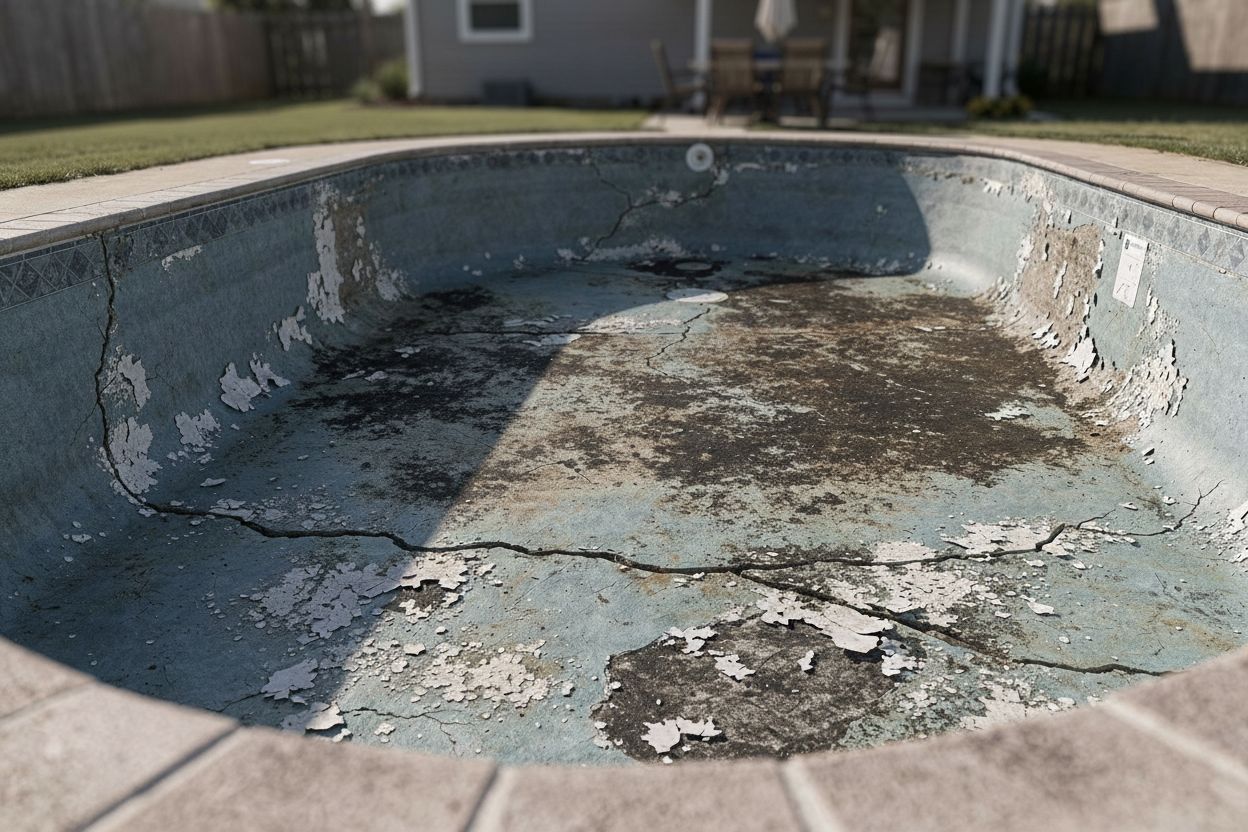
Pool resurfacing costs for most pools run $6,000 to $15,000, with a national average of about $11,000. A budget paint or epoxy coat starts around $1,500, while a full tile finish can top $20,000 and climb past $50,000.
Your real number depends on four things: the finish you pick, your pool's size, how much prep and repair the crew finds, and where you live. Below you'll find prices by material and size, the hidden extras, how long the job takes, and how hosting your pool on Swimply can help pay for it.
Pool Resurfacing Cost by Material
The finish you choose drives price most. Most contractors charge about $6 to $10 per square foot of pool surface, depending on your region.
| Surface material | Cost range (2026) | Lifespan | Pros | Cons |
|---|---|---|---|---|
Paint or epoxy | $1,500 to $5,000 | 5 to 7 years | Lowest up-front cost, quick turnaround | Can peel, needs frequent touch-ups |
Plaster | $5,000 to $10,000 | 7 to 10 years | Affordable, smooth, classic look | Stains easily, needs more acid washing |
Fiberglass recoat (gelcoat) | $6,000 to $15,000 | Shell lasts 50+ years; rarely needs recoating | Smooth feel, low maintenance | Fewer contractors offer it; hard to get seamless |
Quartz aggregate | $7,000 to $15,000 | 10 to 15 years | Tougher than plaster, resists stains, more colors | Costs more than basic plaster |
Pebble (e.g., Pebble Tec, Pebble Sheen) | $9,000 to $20,000+ | 15 to 25 years | High-end look, very durable, textured surface helps prevent slips | Higher up-front cost, can feel rough on feet |
Tile (glass, ceramic, porcelain) | $20,000 to $50,000+ | Longest of any finish | Top-tier look, easy to clean if kept up | Highest price, labor-heavy install |
A quick note on each:
- Paint or epoxy is a refresh more than a true resurfacing. Expect to redo it more often.
- Plaster is the go-to for a clean look on a budget, but it needs replacing sooner.
- Fiberglass pools get recoated, not replastered. Compare a few specialists, since fewer crews do this work.
- Quartz blends plaster with quartz for extra strength and a bit of sparkle.
- Pebble often costs less over 20 years than replastering twice in that time.
- Tile is the luxury pick. The price climbs because installation takes so much labor.
What's Included in Pool Resurfacing?
Resurfacing is a facelift for your pool. The crew removes or preps the worn interior layer and applies a fresh finish that seals the shell.
A typical job includes:
- Draining the pool
- Prepping or chipping out the old surface
- Fixing cracks, chips, stains, or hollow spots
- Applying the new finish
- Refilling and balancing the water
It isn't only about looks. Sun, pool chemicals, and years of swimmers wear down the finish. A fresh surface:
- Prevents leaks that damage the shell
- Stops rough spots from scraping toes and swimsuits
- Keeps algae from hiding in cracks
- Protects the soil support under the pool
Cost by Pool Size
Bigger pools have more square feet to cover, so the total goes up. For a basic resurfacing job, expect roughly:
| Pool size | Typical cost |
|---|---|
Small (plunge or cocktail pool) | $4,000 to $8,000 |
Medium (standard family pool, about 16x32 ft) | $6,000 to $15,000 |
Large (about 20x40 ft or bigger) | $10,000 to $25,000+ |
Spas, benches, steps, and lots of curves add time and cost. If crews can't easily reach your backyard, labor charges go up too.
What Extra Costs Should You Budget For?
The finish isn't the whole bill. Some problems only show up once the pool is drained, so set aside an extra 10% to 15% for surprises.
| Extra cost | Typical price |
|---|---|
Crack repair | About $75 per linear foot |
Draining and refilling | $40 to $2,000, by pool size and local rates |
Water balancing and startup chemicals | $100 to $500 |
Tile line replacement | $2,000 to $5,000+ |
Permits | $250 to $2,500, by location |
Coping repairs | Varies by material and damage |
Other possible add-ons include patching hollow spots, stain treatments, plumbing or leak fixes, and extra demolition of the old finish. Not every pool needs all of these. Ask each contractor what's in the price and what could cost extra after draining.
What Drives Pool Resurfacing Prices in 2026?
- Labor rates: Standard labor runs $45 to $65 per hour. Electrical work runs $75 to $150 per hour. Big cities usually pay more.
- Material costs: Almost half of pool pros expect moderate price increases from tariffs on steel, aluminum, and lumber (Swimply's 2026 inground pool cost guide).
- Labor shortages: Skilled pool techs are hard to find in many areas, which raises prices and wait times.
- Seasonal demand: Spring and early summer are the busiest and priciest times to book.
- Permits: Rules vary by city. Some projects need a permit; some don't.
- Region: San Diego jobs often run $8,000 to $30,000. South Florida prices are up about 10% since 2024. The DC-Maryland-Virginia area runs $10,000 to $26,000 for interiors. Los Angeles, Austin, New York, Houston, and Atlanta usually cost more than the national average.
How Long Does Pool Resurfacing Take?
Most resurfacing jobs take 5 to 14 days of active work, plus curing time. Weather, contractor schedules and surprise repairs can stretch that.
| Stage | Typical time |
|---|---|
Drain and prep | 4 to 5 days (more for tricky jobs) |
Crack and surface repairs | 1 to 3 days |
Apply the finish | 1 to 2 days |
Refill and start-up | A few days; up to 28 days for full curing |
How Often Should You Resurface a Pool?
Most concrete (gunite) pools need resurfacing every 7 to 15 years. The right timing depends on the finish, how much you use the pool, and how well you maintain it.
Watch for these signs:
- Rough patches that scratch feet or swimsuits
- Flaking or peeling plaster
- Stains that won't scrub away
- Visible cracks
- Blotchy, uneven color
- Exposed aggregate or loose stones
- Algae that keeps coming back in rough spots
- Water level dropping for no clear reason
- Water chemistry that's hard to keep balanced
Cosmetic wear can wait a little. Cracks and hollow spots are structural, so get a pro inspection before you resurface.
When Is the Best Time to Resurface a Pool?
Fall is the sweet spot. Cooler weather and lower humidity help the finish cure without fast-drying cracks.
Winter works well in warm climates, and contractors are less busy, so you get better schedules and deals. In Arizona, many owners book November through January so the pool is ready by spring. Spring and early summer cost more and take longer, so if you're planning summer parties, finish the work well ahead.
How to Save Without Cutting Corners
- Get three to five quotes from licensed contractors to learn what's fair in your area.
- Compare line by line. A real quote lists demolition, prep, repairs, finish, chemicals, and cleanup. A one-line quote leaves too much to guesswork.
- Pick for lifespan, not just price. A finish that lasts 15+ years often costs less over time than a cheap one you redo in five.
- Bundle other work. If tile, coping, or lights need attention soon, do it while the pool is drained to avoid extra mobilization fees.
- Book in fall or winter for better prices and more open dates.
Questions to ask every contractor:
- Which finishes fit this pool, and why?
- What's included in the quote?
- What repairs could add cost after draining?
- What will the schedule look like?
- How do you prep the surface?
- Which brands and materials do you use?
- Is there a workmanship warranty?
- What startup steps do I need to follow?
Get everything in writing.
Resurfacing vs. Renovating: Which Do You Need?
Resurfacing updates the interior finish. Renovating goes bigger, with new equipment, features or structural changes, and needs a different budget.
If you're draining anyway, these upgrades usually cost less bundled than done later:
- Waterline tile replacement
- Pool lights ($500 to $1,700 each)
- Coping repairs or upgrades
- New steps or benches ($200 to $5,000)
- Refreshing an attached spa
- Deck touch-ups
How to Care for Your New Pool Surface
- First two weeks: brush the pool at least twice a day with a soft brush so dust and scale don't settle into the new finish.
- Every week: test and adjust pH, alkalinity and calcium. Bad water chemistry damages a surface fast.
- Ongoing: run the filter as recommended, clean or backwash it often, and keep brushing.
Can Your Pool Help Pay for Its Own Resurfacing?
Yes. You can rent out your pool by the hour on Swimply to build up a resurfacing fund.
- Swimply listings usually cost $25 to $100 per hour, and you set your own rate, rules, and schedule.
- Hosts keep 70% to 80% of booking earnings.
- Every booking is covered by Swimply's Protection Guarantee: up to $1 million in liability and up to $10,000 in property damage, with a $250 deductible (10 or fewer guests) or $500 (more than 10). It is secondary to your own homeowner's insurance.
Here's the math: 10 booked hours a month at $60 an hour is $600 in bookings. At a 70% to 80% host share, you keep $420 to $480 a month, or $5,040 to $5,760 a year. That covers a good chunk of an average resurfacing job.
A freshly resurfaced pool also photographs well and helps your listing stand out. See what hosting on Swimply could earn you.
Pool Resurfacing FAQ
How often should you resurface a pool?
Most concrete pools need resurfacing every 7 to 15 years. Plaster sits at the short end (7 to 10 years), quartz lasts 10 to 15, and pebble can last 15 to 25 with good care.
Can you resurface a pool yourself?
Paint or epoxy is the only finish homeowners commonly apply themselves. Plaster, quartz, pebble, tile and fiberglass recoating take specialized crews, equipment and timing, so most owners hire a licensed contractor.
What's the difference between resurfacing and replastering?
Resurfacing preps the existing surface and applies a new finish over it. Replastering removes all the old plaster first. Painting is a quick cosmetic fix, not a full resurfacing.
What's the best time of year to resurface a pool?
Fall is best. Cooler, less humid weather helps the finish cure properly, and contractors are less busy than in spring. Winter also works in warm climates.
What are the signs a pool needs resurfacing?
Rough or scratchy patches, flaking plaster, stains that won't scrub off, visible cracks, blotchy color, loose aggregate, recurring algae, and unexplained water loss all point to resurfacing.
Does resurfacing a pool add value?
Yes, mostly by protecting what you have. A new finish keeps the shell watertight, cuts down on repairs, and makes the backyard more appealing. Mid-range finishes like quartz or pebble often save money over time.
The Bottom Line on Pool Resurfacing Cost
Most pool owners pay $6,000 to $15,000 to resurface, averaging about $11,000. Pick a finish that fits how you use your pool, get several detailed quotes, budget 10% to 15% for surprises and book in the off-season. Then host on Swimply to help your pool pay for itself.