How Long to Run a Pool Pump: Tips for Timing & Saving Money
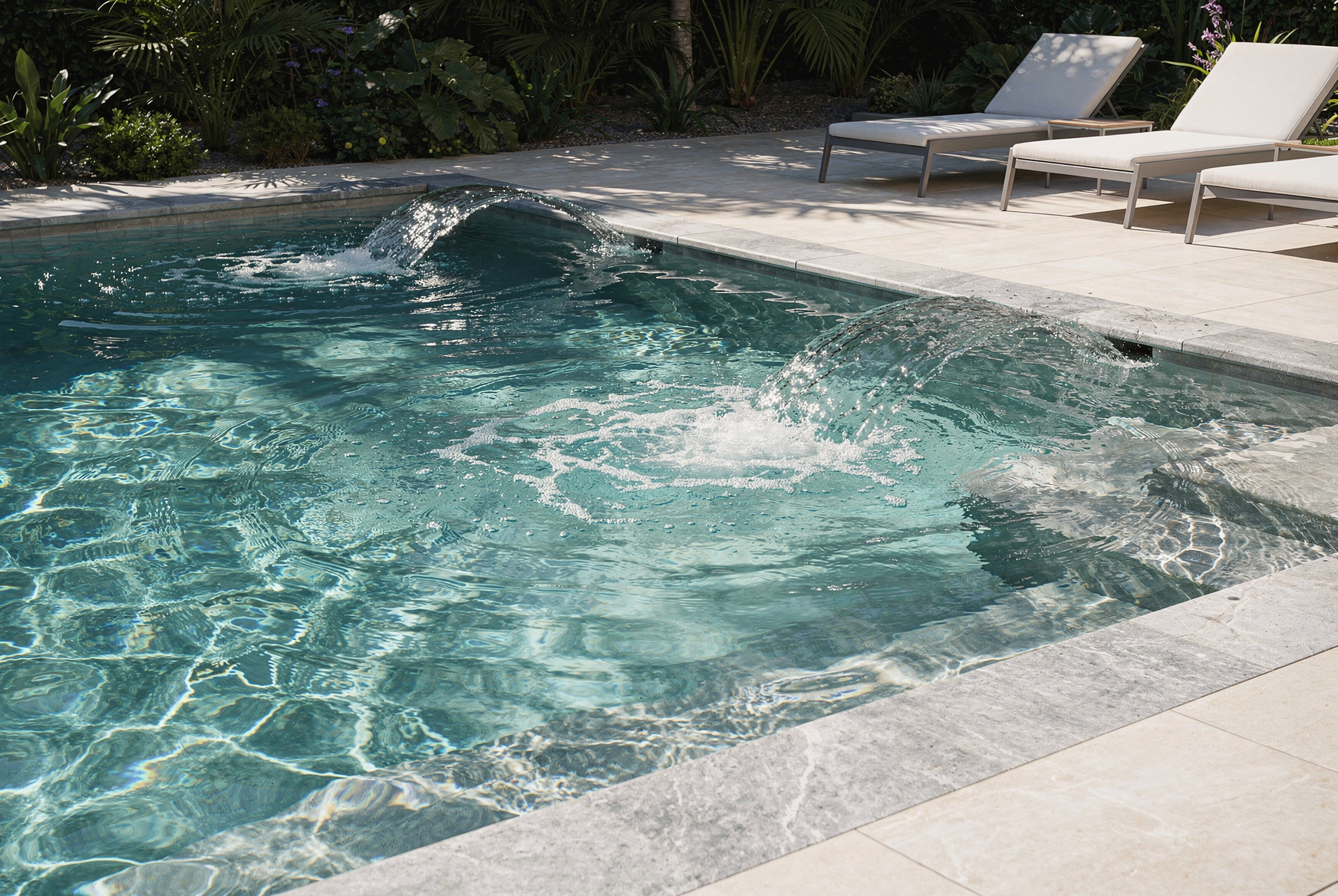
To keep your swimming pool sparkling clean, you'll generally want to run your pump for eight to 12 hours a day. Getting that flawless water clarity means pushing all your pool volume through the filter system for one complete daily turnover.
This post covers the exact details determining your perfect pump schedule, like water capacity, pump type, and local weather patterns. You'll also learn practical ways to optimize your daily circulation routine, making it incredibly easy to save money on energy costs.
How Long to Run Pool Pump: The Quick Answer
Most backyard pools in summer need 8 to 12 hours each day. Smaller pools may only need 6 to 8 hours. Use more time if you've got a big pool, lots of swimmers, or hot weather.
- 8-12 hours: Most pools in warm months
- 6-8 hours: Small pools (under 10,000 gallons)
- 10-12+ hours: Large, busy, or very hot weather pools
If your pool has a variable-speed pump, you can run it longer at lower speeds. That uses less electricity than running a single-speed pump for a shorter time.
Why Your Pool Pump Runtime Matters
The pump sends water through the filter and pulls out dirt, leaves, sunscreen, and debris. It also spreads chemicals evenly so you don't end up with dead zones or algae spots.
If you don't run the pump enough, you'll get cloudy water, algae, and more cleaning work. Run it too much at full speed and you'll see higher bills and faster motor wear.
- Right runtime = clean water, balanced chemicals, and lower costs
- Too little = algae and cloudy water
- Too much = wasted energy and faster pump wear
Start With Your Pool Size
Bigger pools have more water, so they need more pump time. Your pump's gallons per minute (GPM) tells you how fast it moves water.
- Smaller pools (under 10,000 gallons) often need 6 to 8 hours daily
- Medium pools (10,000-20,000 gallons) usually need 8 to 10 hours
- Large pools (over 20,000 gallons) often need 10 to 12 hours
Small Pools
Smaller pools holding 10,000 gallons of water or less will fully clear much faster. A standard daily cycle of 6 to 8 hours easily filters a small pool.
Medium Pools
Medium-sized pools typically hold between 15,000 and 20,000 gallons of water. This would be your standard 16-by-32-foot backyard swimming area. Medium pools usually need 8-10 hours to run the pool pump.
Large Pools
Large pools usually need 10 to 12 hours to stay clean. For example, a 30,000-gallon pool with a 50 GPM pump takes exactly 10 hours for one complete water turnover.
Adjust Pump Time Based on How Long It's Been Off
If you miss a few hours, get back on your usual schedule. Missed a whole day? Run the pump a few extra hours and check the water clarity.
- Missed several days: Run the pump 24 hours straight
- Clean skimmer baskets and test water before letting it rest
- Cloudy or green water: Run 24 hours and brush, balance, and shock
Experts like Brady's Pool & Spa Care suggest running the pump all day until the water is clear, then dropping to 12 hours daily.
When to Run the Pump Longer Than Usual
The 8 to 12-hour rule is a starting point, not a hard rule. Some days, your pump will need more time to tackle extra load.
After Heavy Swimming
Lots of swimmers bring extra sunscreen, sweat, and debris. After a party, run the pump 12 to 24 extra hours if needed. Watch for cloudy water.
After Pets Use the Pool
Dogs bring dirt and hair. Run the pump for extra hours after any pet swim. Clean baskets and check filter pressure before the next swim.
After Rain, Wind, or a Storm
Rain and wind dump more leaves and dirt into your pool. Run the pump 12 to 24 hours after any big weather. Skim the pool first, so the pump doesn't get overwhelmed.
During Very Hot Weather
Hot water loses sanitizer fast. When your pool hits the 80s, you might need two turnovers a day. That means 12 to 18 hours of pump time when it's hottest.
After Adding Pool Chemicals
After adding chlorine or other treatments, run the pump several hours to mix things completely. Always check the chemical label for extra directions.
When You Can Run the Pump Less
Cooler months let you cut back. Cold water under 60°F means you can run 4 to 6 hours daily. Less algae grows in colder water.
- Light use, pool cover, and clear water = less runtime needed
- Lower pump time slowly and watch for cloudiness
- If water gets cloudy, add hours back
- If temps drop near freezing, run the pump constantly to protect equipment
Single-Speed vs. Variable-Speed Pumps
Single-speed pumps run one way: full speed. They're simple but cost more to run. A typical 1.5 HP pump costs $650 to $800 each year.
Variable-speed pumps are different. They run slower for most of the day, saving energy. You can run them 12 to 24 hours and pay less than with a single-speed pump.
- Single-speed: One speed, higher cost, now restricted in new pools
- Variable-speed: Lower cost, flexible speeds, now standard for new pools
Best Time of Day to Run Your Pool Pump
Daytime pumping helps with swimmers and sunlight. If you have off-peak electricity rates, run the pump overnight to save money.
- Try a split schedule: a few hours during the hottest time of day, rest overnight
- Covers both cleaning needs and energy savings
Signs Your Pump Schedule Needs a Change
Your water tells you when your pump needs help. Watch for these signs:
- Cloudy or dull water
- Green tint or slimy walls
- Debris sitting on the surface or floor
- Weak flow at the return jets
- Filter pressure is high and stays up
- Strong chemical smell
- Water that doesn't look fresh after cleaning
If you see these, add more pump time or clean your filter and baskets. Check chemicals right away.
Simple Ways to Help Your Pump Work Better
These tips make your pump's job easier and keep the water clean.
- Skim leaves and debris daily
- Empty skimmer and pump baskets often
- Brush pool walls and steps every week
- Keep the water at the right level
- Clean or backwash the filter every 4 to 6 weeks
- Use a pool cover when you're not swimming
- Keep your chemicals balanced
Common Pool Pump Mistakes to Avoid
These habits quietly raise your bills and wear your equipment down:
- Only running the pump when the water looks dirty
- Turning it off for days during swim season
- Running nonstop at high speed without checking energy use
- Forgetting to clean baskets and filters
- Ignoring cloudy water too long
- Never adjusting runtime by season
A Simple Pool Pump Schedule to Try
Start with 8 hours per day in mild weather for an average pool. Raise to 10-12 hours if it's hot, after storms, or if the pool's busy. Drop down a little in cool months if everything stays clear.
Make small changes and check the water after each tweak. Every pool is unique, so you might need a few tries to get it just right.
Make Your Pool Pay You Back
Pumps, chemicals, and upkeep get expensive fast. The U.S. Department of Energy says the pool pump is usually the largest electric motor in a home after the air conditioner. That's a real cost for pool owners.
You can offset costs by listing your pool on Swimply. Rent your pool by the hour to guests looking for private swim space. You set the price, schedule, and pool rules.
- Swimply handles bookings and payments
- Hosts keep up to 85% of what guests pay
- There's up to $1 million in liability coverage and $10,000 in property protection
According to Forbes, many Swimply hosts earn $5,000 to $10,000 per month. A host in Oregon earned $177,000 in less than two years. If your pool sits empty, bookings can cover pump, chemical, and maintenance bills.
If you want to heat your pool year-round for more rental earnings, Swimply's Offseason Guide shows how to stay booked and let the rentals pay your heating bill too.
It’s free to list and easy to start. Check it out here and see how much your pool can earn.