2026 New York Pool Owner's Guide: Costs, Care, & More
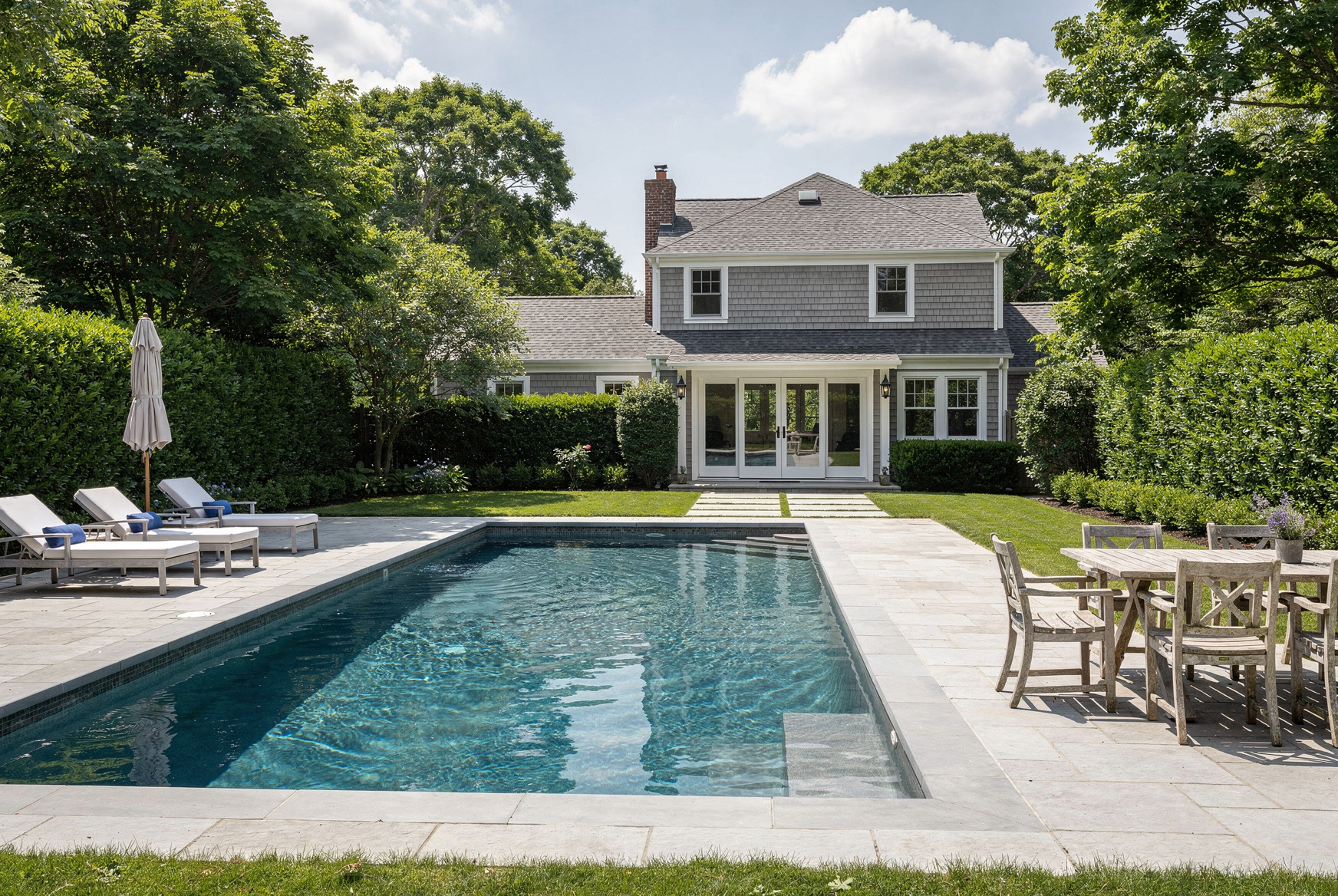
New York pool ownership brings real rewards and real responsibilities. Success starts with knowing the rules, planning for the short swim season, and managing costs.
Local permits, safety laws, water chemistry, and ongoing care matter a lot, especially for Long Island, Nassau County, and Suffolk County. This guide gives you the facts, helpful tips, and smart ways to make your pool pay for itself in 2026.
What Every New York Pool Owner Needs to Know in 2026
New York swimming season runs from Memorial Day to Labor Day. Cold winters and harsh weather can destroy equipment if you skip proper winterization. Long Island owners need to plan for coastal storms, sandy soil, salt air, and unique local codes.
- Permits and safety barriers are required almost everywhere.
- Each town has different setback and electrical rules.
- Barriers keep pools safer and compliant with the law.
- Check details with your town or a licensed contractor. Rules shift between Huntington, Babylon, and the East End.
New York Pool Rules, Permits, and Safety Basics
Most in-ground and many above-ground pools in New York need permits before installation. Skipping this step can bring fines, stop-work orders, or even forced removal. Permits usually cover several sign-offs, such as building, electrical, plumbing, and sometimes environmental.
- Each location (town, village, HOA, or type of home) can have extra rules.
- Always call your local building department before making changes.
- Expect extra checks for things like new fences, lights, and heaters.
Fence, Gate, and Barrier Requirements
All New York pools need an approved barrier at least 4 feet high. This rule began in 1984 and still stands. Some towns can tighten requirements, so double-check your area.
- Gates must be self-closing and self-latching.
- Latch handles need to be inside and at least 40 inches above ground.
- Pedestrian gates must open away from the pool.
- Keep bottom barrier clearance under four inches.
- Barriers protect kids, guests, and neighbors, plus they help if you want to host pool rentals.
Pool Alarms and Safety Covers
Pools in New York installed or changed after December 14, 2006 must have an approved pool alarm that detects when a child enters the water. Safety covers help during winter and long off-seasons.
- Alarms and covers support, but never replace, fences or adult supervision.
- View them as layers of safety, each serving its own purpose.
Electrical, Lighting, and Heater Rules
Licensed electricians should handle every pool job involving pumps, heaters, outlets, or lights. Every receptacle within 20 feet of the pool must have GFCI protection, and all pool metal should be tied together with solid copper wire.
- Permits are always needed for pool electrical work.
- Don’t do this yourself. Experts know local rules and spot coastal risks.
- Heated pools may need time clocks and covers too.
Setbacks, Easements, and Property Lines
Your pool, deck, equipment pad, and fence must stay a certain distance from the property line. In East Fishkill, pools sit at least 25 feet from side or rear lines. On Long Island, equipment needs at least five feet.
- Septic systems, wells, easements, and utilities affect where your pool can go.
- Nassau and Suffolk rules change between towns. Always consult your survey and records before starting.
Long Island Pool Owner Rules: Nassau, Suffolk, and Local Towns
On Long Island, follow the rules for county, town, village, and your possible HOA. Towns like Huntington, Islip, Brookhaven, Babylon, Smithtown, Southampton, and East Hampton each use different steps and codes.
- Always start with your specific town’s building department.
- Don’t assume your neighbor’s process matches yours.
Nassau County Pool Considerations
Nassau County lots can be tight, so setbacks, fencing, and noise matter even more. The county requires a Home Improvement Contractor license and town permits before pool work begins. Many Nassau houses have older wiring, so review with a pro before installing electrical items.
- If you host guests, set clear house rules for parking and noise.
- Dense neighborhoods amplify issues quickly.
Suffolk County Pool Considerations
Suffolk County owners may have bigger lots but run into well, septic, drainage, wetland, and coastal zone issues. The East End and both North and South Shores often face special environmental or coastal restrictions.
- Groundwater is the sole water source, so drainage and pool placement matter a lot.
- Sandy soil and storm run-off change how you install and drain pools.
- High groundwater can pop a pool shell out of the ground if drained at the wrong time.
NYC and Nearby Suburban Pool Considerations
In Westchester, Rockland, and the Hudson Valley, rules shift again. Tight yards and older homes can add more inspection steps. Always check city or municipal codes before installing or upgrading. Public pools in Westchester often open late June to Labor Day, a good timeline for the local season.
Pool Chemicals New York Owners Should Understand
Chemicals keep water clear, safe, and comfortable for New York’s wild weather swings. Always test often, especially after rain, parties, and heat waves, since water chemistry changes faster than in warmer climates.
- Chlorine, pH, alkalinity, cyanuric acid, and calcium hardness each play critical roles.
- Local fill water itself can change the chemistry.
Chlorine and Sanitizer Levels
Free chlorine should stay between 1.0 and 3.0 ppm. Heavy use, sunlight, and rain lower it quickly. Even saltwater pools need their chlorine checked often.
- Follow clear product instructions.
- If levels keep swinging, check with a local pro.
pH and Alkalinity
Keep pH from 7.2 to 7.6 for best results. Total alkalinity should be between 80 and 120 ppm. Rain, fill water, and use can swing these numbers.
- Cloudy water, scaling, or irritation means something's off.
- Alkalinity buffers pH, so aim for stability.
Cyanuric Acid and Sun Protection
Cyanuric acid (CYA) shields chlorine from the sun. Most residential pools need 30 to 50 ppm. Less leads to quick chlorine burnoff, while more can block chlorine’s sanitizing power.
- Test at season’s start and after adding stabilized chlorine.
- If CYA gets too high, dilute water by partial draining.
Calcium Hardness and Water Source Issues
Keep calcium from 200 to 400 ppm to protect pool surfaces and gear. Aggressive water at low levels eats plaster and metal; high levels create scale and cloudy water. Test both fill and pool water at opening, not just pool water.
The New York Pool Season: Opening, Peak Summer, and Closing
New York's swim season is short. Most pools open late April to June. Peak swimming hits between June and Labor Day. Proper closing keeps pipes, gear, and surfaces safe from freeze damage, which can get expensive fast.
Spring Opening Checklist
- Remove and clean the cover.
- Inspect the shell, liner, tile, coping, and deck for winter damage.
- Reconnect and test pumps, filters, and heaters for leaks.
- Balance water before the first swim.
- Let the filter run and clear debris ahead of heavy use.
- Open by late April for Memorial Day readiness.
Summer Maintenance Rhythm
- Skim, brush, vacuum, and empty baskets each week.
- Test and balance water several times a week in busy season.
- Clean or backwash filters as needed.
- Check levels after storms, heat, or parties.
- Post clear rules by the pool if you're hosting guests.
Fall Closing and Winterizing
- Balance water before closing.
- Lower water for your pool type if needed.
- Blow out and plug plumbing lines.
- Add winter chemicals and secure the cover for storms.
- The best closing time in Nassau and Suffolk is mid to late October when nights drop below 50°F.
- Most owners hire a pro to avoid freeze damage.
Long Island Pool Problems to Watch For
Unique Long Island weather brings salt air, sand, storms, and high groundwater that regular pool guides often skip. Stay proactive and you’ll avoid most expensive problems.
Salt Air and Equipment Wear
Salt speeds up rust and corrosion on metal rails, heaters, and fences. Pools near the coast need extra care. Rinse metal gear often and pick coastal-grade materials for replacements.
Heavy Rain, Storms, and High Water Tables
Downpours lower chemical levels, push in debris, and can raise water tables dangerously high. Always retest water, check fences, and review covers after storms. Don’t drain an in-ground pool during wet weather unless advised by a professional.
Leaves, Pollen, and Backyard Debris
Spring pollen and fall leaves clog filters and stain surfaces. Nearby trees add shade but also extra cleaning work. Frequent skimming keeps these issues small and stops cloudy water.
Algae During Hot, Humid Weather
Hot New York summers let algae thrive if chlorine dips. Brush walls, boost circulation, and test often. Tackle dull or green water immediately. Waiting only makes the problem tougher to fix.
Pool Costs in New York: What Owners Should Budget For
Pools cost real money to maintain. Average annual costs in New York run between $3,000 and $6,000. Storms, fence repairs, and replacing covers add up for Long Island owners, especially after a rough winter or summer storm.
Regular Maintenance Costs
- Annual chemicals: $175 to $750.
- Maintenance services: $960 to $1,800.
- Electricity for heating and pumps: $800 to $1,200.
- Opening and closing: $650 to $1,000.
- Remember, these costs return year after year.
Repair and Upgrade Costs
- Pumps: $800 to $2,500.
- Heaters: $1,500 to $6,000.
- Filters: $600 to $2,000.
- Automation systems: $1,200 to $4,000.
- Older homes may need new wiring or plumbing before upgrades.
Heating Costs in a Short Swim Season
A heater gives you extra swim weeks but comes with high energy bills. Average costs for a heat pump reach about $300 each month. Use a quality pool cover to trap heat overnight and save money.
Renting Out Your Private Pool in New York
Private owners can list their pools on Swimply to rent them out by the hour. This offsets cleaning, chemical, heating, and repair costs fast.
Why Private Pool Rentals Work Well in Long Island and New York
New York guests appreciate private pools for family swims, pet days, parties, and lessons. Nobody wants a crowded public pool or an expensive day pass for a quick dip. Renting by the hour is flexible and practical.
- Popular uses: family swim, birthdays, lessons, and pet parties.
- Some hosts fully cover pool costs with rental income.
- Private rentals let owners control prices, rules, and availability.
How Swimply Supports Hosts
- Listing is free. Swimply takes a 15 to 25% commission only after you get paid.
- Payments happen through a secure Stripe-powered system after each booking.
- Every booking comes with Swimply Protection Guarantee: $1 million in liability and $10,000 property coverage per occurrence.
- Hosts can join weekly webinars and private groups to learn more and connect.
- Add a certified lifeguard to bookings through Swimply’s AquaMobile partnership for extra safety.
Make Your New York Pool Pay You Back
New York pool ownership is rewarding when you plan for short seasons, local code quirks, and regular care. These pools can add real value to your home and your lifestyle. Many owners use private rentals to turn empty afternoons into steady income.
If you want your pool to work harder, create a Swimply listing today and see what your backyard can earn. Keep things clean, know your local town's rules, and watch your pool start paying you back in 2026.